
Choosing senior care can feel confusing fast. Two options come up again and again: independent living and assisted living. They sound similar, but they serve very different needs.
The short answer to what is the difference between assisted living and independent living comes down to one thing: daily support. Independent living is for active seniors who want a maintenance-free lifestyle. Assisted living adds help with daily tasks like bathing, dressing, and medication.
What Is Independent Living?
Independent living is housing built for seniors who can care for themselves. Think of it as retirement living without the chores. Residents get their own apartment or cottage, along with meals, housekeeping, and social activities.
There is no medical care built into the package. Residents drive, cook if they want to, and manage their own health. Staff handle lawn care, repairs, and building upkeep instead.
Most communities offer dining rooms, fitness centers, and clubs. Transportation to appointments and shopping trips is common too. The goal is comfort and connection, not caregiving.
This setup works well for seniors who feel isolated in a large house. It also suits people who are tired of cooking every meal or mowing the lawn. Safety features like emergency call buttons still give families peace of mind.
What Is Assisted Living?

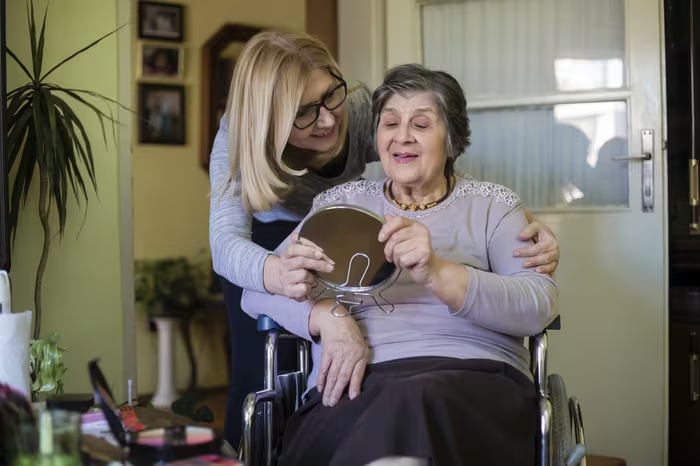
Assisted living steps in when daily tasks become harder to manage alone. Staff are on site around the clock to help with what caregivers call “activities of daily living.” That includes bathing, dressing, grooming, and moving safely around a home.
Medication management is a big part of assisted living too. Trained staff track doses and timing so nothing gets missed. Many residents also need help with mobility, especially after a fall or a health setback.
Meals, housekeeping, and laundry are included, just like independent living. The difference is the added layer of hands-on support. Nursing staff are often available for basic health monitoring as well.
Communities design their spaces with safety in mind. Grab bars, wider doorways, and walk-in showers are standard. Social activities still happen, but the pace and structure account for residents who move slower or tire faster.
Assisted Living vs. Independent Living: Key Differences
When people search independent living vs assisted living, they usually want a fast comparison. Here is the breakdown that matters most.
Level of care. Independent living offers none. Assisted living provides help with bathing, dressing, and medication.
Staffing. Independent living has staff for meals and maintenance. Assisted living has trained caregivers available day and night.
Cost. Independent living tends to cost less because it skips personal care staff. Assisted living costs more due to round-the-clock support.
Who it fits. Independent living suits active, self-sufficient seniors. Assisted living suits seniors who need daily help but not full nursing care.
Medical support. Independent living has no clinical staff on site. Assisted living usually keeps a nurse or health aide available.
Looking at assisted vs independent living this way makes the choice clearer. It is not about age. It is about how much help someone needs to stay safe and comfortable.
Who Is Independent Living Best For?
Independent living fits seniors who are still active and healthy. They want less upkeep, not more supervision. A senior who golfs three times a week and cooks their own dinner is a strong fit.
It also works for couples where one partner needs more help than the other. Some communities let couples stay together even if care needs differ, since assisted living services can sometimes be added on site.
People who value privacy but crave more social contact often thrive here. Loneliness is a real health risk for seniors living alone. Independent living solves that without taking away freedom.
Who Is Assisted Living Best For?

Assisted living fits seniors who struggle with daily tasks but do not need a nursing home. A parent who forgets medication doses or has fallen more than once is a good candidate.
It also helps seniors recovering from a stroke, surgery, or a hospital stay. Family caregivers who feel burned out often turn to assisted living for relief. The support team takes over tasks that were becoming too much at home.
Seniors with early memory loss sometimes do well here too, especially if the community offers a memory care wing. The key sign is this: daily life has become unsafe or exhausting without help.
Can You Move From Independent Living to Assisted Living?
Yes, and it happens often. Many senior living campuses offer both options in the same location. This setup is called a continuum of care. As health needs change, residents can shift from an independent apartment to an assisted living unit without leaving the community they know. Friends, staff, and routines stay familiar during a hard transition.
Not every community offers both levels though. Families should ask this question before signing a lease. Moving twice, once now and once later, adds stress that a continuum of care avoids.
How to Choose Between Assisted Living and Independent Living
Start with an honest look at daily function. Can your loved one bathe, dress, and take medication without reminders? If yes, independent living may be enough for now. Watch for warning signs too. Missed medications, weight loss, unpaid bills, or a fall in the last year point toward assisted living. These signs often show up before a family expects them.
Budget matters as well. Independent living costs less monthly but offers no built-in care. Assisted living costs more but includes staff support that can prevent a costly emergency room visit. Tour both types of communities before deciding. Ask about staff ratios, emergency response times, and how care needs get reassessed over time. A good community will answer these questions directly.
For families in the area searching for Assisted Living Phoenix, local providers like Soteria LifeStyle offer both independent living and full assisted living services under one roof. That means less guesswork and fewer moves down the road.
Conclusion
So, what is the difference between assisted living and independent living? Independent living offers freedom with less upkeep. Assisted living offers daily support for tasks that have become harder to manage alone.
Neither option is better across the board. The right choice depends on health, safety, and how much help your loved one needs right now. Visiting communities in person and asking direct questions will make the decision much easier. Contact us today to discuss your care needs and find the right support.
FAQs
Is assisted living the same as a nursing home?
No. Assisted living helps with daily tasks like bathing and medication. Nursing homes provide full medical and clinical care for residents with serious health needs.
How much does independent living cost compared to assisted living?
Independent living usually costs less each month since it does not include personal care staff. Assisted living costs more because of round-the-clock support.
Can a couple live together if one needs more care?
Yes, in many communities. Some allow one partner to stay in independent living while the other receives assisted living services nearby.
What are common signs someone needs assisted living?
Missed medications, falls, weight loss, and trouble managing bills are common signs. These changes often build up gradually before families notice a pattern.
Does insurance cover assisted living or independent living?
Medicare generally does not cover either. Long-term care insurance, veterans benefits, or private pay usually cover the cost, depending on the policy.