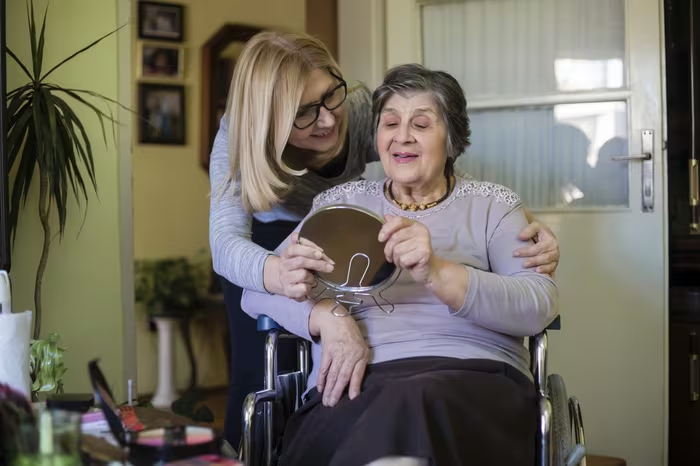

As we age, certain changes take place that can make daily life more difficult. Although aging in place is a desire of many older people to stay in their own home for as long as they can, at some point added assistance can help with safety and quality of life. Knowing these 11 signs it might be time for assisted living can help families make informed decisions prior to a crisis.
Assisted living communities offer individual care, socializing, meals, housekeeping services and help with activities of daily living, while allowing residents to remain as independent as they wish. At Soteris Lifestyle, we are dedicated to offering our seniors a comfortable, active and full lifestyle within a supportive setting.
Why Recognizing the Right Time Matters

Many families put off talking about senior care because they feel they’ll be surrendering independence if they start asking for help. In fact, assisted living may actually increase independence, as our residents will have the support they need to live independently and with confidence. Recognizing signs it might be time for assisted living enables families to make well-informed decisions instead of panic.
Problem with handling activities of daily living (ADLs)
A big sign is if they have a problem performing Activities of Daily Living (ADLs) such as:
- Bathing
- Dressing
- Grooming
- Toileting
- Eating independently
- Safe Home Movement around the house
As these daily activities become more challenging, assisted living services offer loving support without compromising individual dignity and independence.
Frequent Falls or Mobility Problems
Falls are one of the most common types of injuries suffered by seniors. If your loved one has fallen a number of times, has trouble walking, or has trouble getting in and out of bed or chairs, they may need extra assistance.Professional carers are able to assist with mobility, fall prevention and safer living conditions to minimise accident risk.
Poor Medication Management
When you’re taking several medications, it can be confusing to get it right as you get older. Dose skipping, incorrect medication or forgetting doses/schedules can result in significant health issues.
Medication reminders and supervision are offered at assisted living facilities to ensure residents are taking their medications as prescribed and reducing health risks.
Declining Personal Hygiene
When there are apparent changes in appearance, it is likely that daily activities are becoming more challenging.
Common examples include:
- Repeatedly wearing dirty clothes
- Infrequent bathing
- Unkempt hair
- Poor dental hygiene
- Body odor
These changes do not necessarily mean unwillingness, but rather may be a sign of physical restrictions or memory loss. If you’re beginning to have trouble with your daily activities, these are signs that you need assisted living.
Unexplained loss of weight or poor nutrition

Planning, shopping for, cooking and cleaning are all parts of preparing balanced meals. Older adults who find it difficult to perform these tasks might be tempted to not eat meals or to eat foods that are not nutritious.
Warning signs include:
- Empty refrigerators
- Expired food
- Weight loss
- Dehydration
- Lack of appetite
Assisted living apartments offer residents nutritious meals that are prepared every day, so that residents don’t have to worry about preparing their food.
Greater memory loss/confusion
Having a few moments of forgetfulness is common as we grow older, but if memory issues are having a more frequent and obvious effect on your life, you may need more help.
Examples include:
- Forgetting appointments
- Leaving appliances on
- Lose the way, in familiar places
- Repeating questions frequently
- Missing important bills
If not properly handled these situations can become quite hazardous. When families begin to see an increase in confusion that impairs the older adult’s ability to function safely in daily life, they may start to consider what signs elderly need assisted living.
Assisted living communities also provide a daily support program, which can help residents stay active and supported in a meaningful way and maintain overall wellness.
Social Isolation and Loneliness
A lack of mobility, loss of friends or a spouse, and family members living many miles away can often leave many seniors isolated for long periods. Isolation can have a harmful impact on physical and mental wellbeing over time and can lead to depression, anxiety and cognitive decline.
Common signs include:
- Avoiding social gatherings
- A decline in hobbies’ interest.
- Seldom goes outside the door
- Isolation or withdrawal, feeling alone
Assisted living communities promote active social interaction, organizing community events, wellness programs and group activities to help residents make friends and stay involved.
Problems keeping up household responsibilities
It’s harder to keep up your home as you get older. Tasks that were once easy can become overwhelming and/or dangerous.
Watch for:
- Unpaid bills
- Unclean or untidy homes
- Laundry piling up
- Neglected home maintenance
- Having problems eating food or meals
These are some of the common signs that it’s time for assisted living, and a messy or unsafe house can easily lead to accidents and health issues.
Caregiver Burnout
The most important sign may not be the one that is most obvious the family caregiver’s health.
Being a caregiver can be a physical, emotional and financial burden. When family members are feeling tired, stressed, and not able to provide their loved one’s increasingly evolving needs, it may be healthiest for all involved to enlist professional help.
While assisted living offers families the assurance of proper care, it also frees up time for them to enjoy each other’s company, rather than worrying about the day-to-day care.
Deteriorating chronic health conditions

Many health issues like diabetes, arthritis, heart, Parkinson’s disease, etc. involve continuous supervision and support.
Having to make lots of doctor visits, take multiple medications, or face difficulties moving around can be difficult at home, but assisted living can provide the coordinated support that helps keep you safe and healthy overall.
These are all signs that many families are familiar with that may indicate signs it might be time for assisted living, particularly when health requirements start to impact daily independence.
Safety at home
Perhaps the strongest indication is when home no longer feels safe.
Examples include:
- Leaving doors unlocked
- Not turning off the stove or oven.
- Wandering outside
- Difficulty using stairs
- Increases in the number of emergency calls.Rising frequency of calls for help.
If despite the changes in the home, safety concerns remain, it may be time for a more supportive home. These are some of the most obvious circumstances you should consider assisted living and never dismiss.
Similarly, the most frequent indications of the elderly seeking help with assisted living are safety issues, particularly when elderly people are residing alone without someone to regularly check on them.
Why Choosing Soteria Lifestyle
For finding a place where comfort, dignity and personalized care come together choosing the right assisted living community is very critical. While receiving the support they want to thrive at soteria lifestyle we are committed to help seniors maintain their independence. For enhancing everyday living our compassionate team provides individualized care, nutritious meals and a safe welcoming environment.
At soteria lifestyle we empower residents and give families confidence that their loved ones are in caring and capable hands.
Conclusion
Before challenges become emergencies recognizing the 11 signs it might be time for assisted living to help families to make thoughtful decisions. That is why early planning allows seniors to transition into a safe and supportive community whether its increasing falls, memory concerns, poor nutrition and social isolation.
It is the right time to start the conversation if you have noticed several warning signs. Understanding these signs it’s time for assisted living can make the decision less and make sure that your loved ones receive the care and support they deserve. Reach out to Soteria Lifestyle—we’ll help you navigate this next chapter with care, clarity, and compassion.
Frequently Asked Questions (FAQs)
1. What are the first signs it may be time for assisted living?
Some of the early signs include frequent falls, poor medication, memory loss and declining personal hygiene.
2. How do I know if my parents need assisted living?
Assisted living assessment may be beneficial if your parents are still struggling to live safely at home, forgetting medications.
3. Is assisted living only for seniors with serious health conditions?
No. many residents move into assisted living who need occasional support with daily tasks, meals and medication management but are still fairly independent.
4. Can assisted living improve a senior’s quality of life?
Yes. assisted living provides a safe environment, social opportunities, nutrition meals and personalized care.