
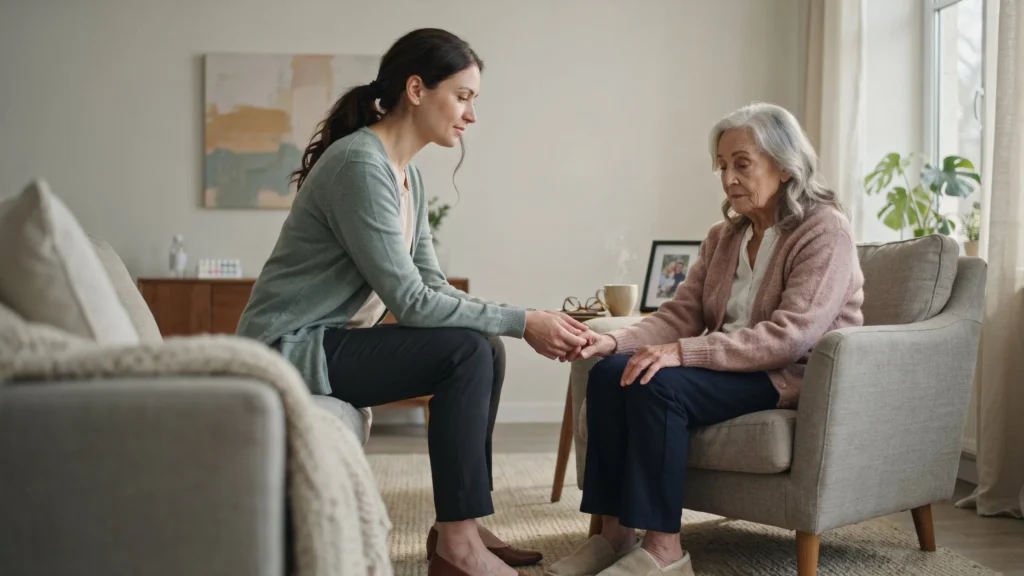
Practical Dementia Care: Tips for Families on How to Help Caring for a person with dementia may be one of the hardest things you may ever do especially as you adjust to significant changes in memory, communication, behaviour and daily activities. Dementia affects people differently, there really isn’t a ‘one size fits all solution’ approach.
The objective of all dementia care is to keep people as comfortable and as safe, and as engaged and as respected as possible and equally the caregivers safe, happy and supported.
So we created this practical care guide to give you some tips in such areas as: Care for a Person with Dementia.
What Does Dementia Care Involve?
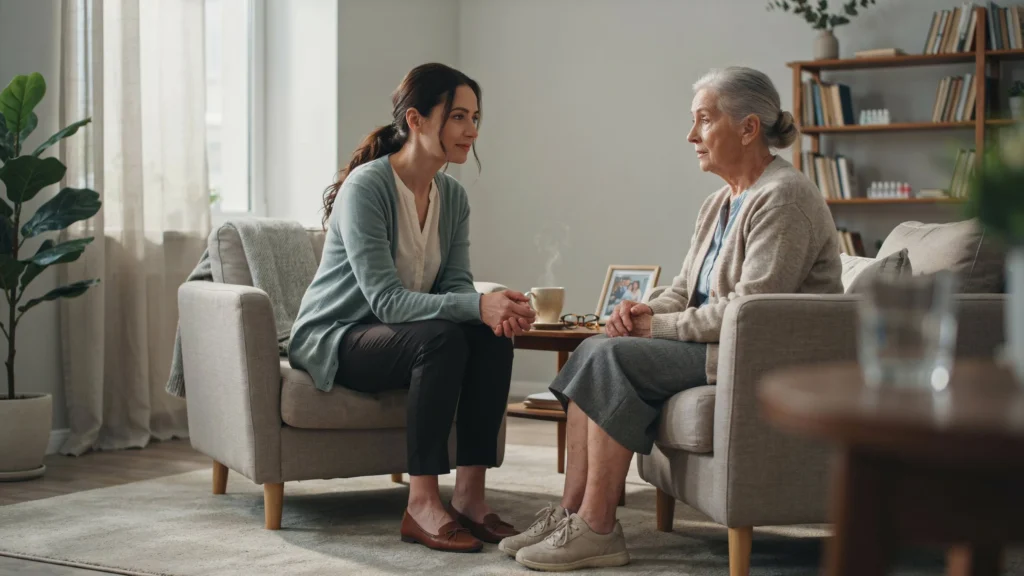
Dementia care involves helping a person manage everyday activities while maintaining their dignity and independence.
Depending on the person’s needs, caring for a person with dementia may include:
- Preparing meals
- Assisting with bathing and dressing.
- Reminding them with daily activities.
- Assisting with movement.
- Keeping the home environment safe.
- Offering companionship.
- Maintaining routine.
- Assisting with appointments.
- Monitoring behavioral or daily functioning.
As dementia progresses the level of support required may increase. A relatively independent person at the onset may require more close assistance later on.
How to Care for Someone With Dementia
Patience, reassurance, routine and support go a long way when taking care of a person with dementia, especially their loved ones who require attention to the people with who live there should think and to think on things that are not there with thinking about skills.
Treat Them With Respect
Although dementia can have some impact on memory and decisions, the person should be treated with the utmost respect and allowed to participate in their daily life.
Involvement can include giving the person simple choices:
- What clothes to wear
- What they would like to eat
- Which activity they would like to do
- When they would like to go for a walk
These simple choices will give them a greater sense of independence.
Avoid Rushing
Don’t hurry, the 5 minutes the previous work took may be much now, give the person lots of opportunities and time needed to process a task and information.
They usually do not take things the wrong way or the way; becoming anxious will complicate things, not to mention it is extremely annoying as well as frustrating to do something for the person with dementia which he can do by his herself just like him taking his.
Create a Consistent Daily Routine
Establish a Routine Someone with Alzheimer’s or another dementia condition can thrive with structure, and routine makes sense for the familiar part of each day.
Try to maintain a daily routine that corresponds with:
- Wake Up,
- Eating Meals,
- taking medication,
- Activities of Hygiene and Exercise;
- outdoor time,
- naps or breaks in activities;
- bedtime.
An established routine helps ease the day when your loved one doesn’t know what he/she is supposed to do.
A written or visual calendar that is updated on a weekly basis will assist in remembering what events are upcoming.
Communicate Clearly and Patiently
Talk Clearly, Kindly and With Patience Dementia communication can become difficult with progression. The person may struggle to find the words, understand what you are saying and start to repeat words and phrases.
To assist with the communication issues related to dementia:
Use Simple Questions
Instead of using complex questions such as: “What did you have for dinner tonight and who was it with?” Try to use simple, single requests: “What did you eat earlier today?”
Give Extra Time to Respond
Try to use simple, single requests: “What did you eat earlier today?”
Use a Calm Voice
Speak Slowly and Quietly Refrain from shouting, except in cases of risk or extreme danger.
Avoid Arguing
Argue, Don’t Argue Arguing with a person with dementia will seldom ever achieve anything but pain. If someone is mistaken it is generally best not to make them correct by repeatedly stating the ‘right answer.’
Make the Home Safer
The older someone with dementia gets, the more the safety of the Home can and needs to be considered.
This includes minimizing hazards throughout the House as much as possible.
Reduce Fall Risks
Reduce Falls and Falls Eliminating loose-fitting rugs, clutter, and other items in a person’s pathway will significantly reduce their likelihood of trip.
Secure Potentially Dangerous Items
Secure Medications, Cleaning Products and Hazards If someone is going through medications or cleaning products, safely secure these when necessary; likewise, other objects which might be harmful.
Improve Bathroom Safety
Ensure a Safe Bathroom Utilize non-slip flooring, grab bars and the correct lighting in the bathing area to minimize a trip; assist as needed.
Consider Wandering Risks
Reduce risk of a person leaving the house The person having dementia may become disoriented or lost and leave the House unexpectedly.
Strategies and planning for Wandering may be necessary.
Personal Care Support
As their dementia progresses and you notice problems with the person’s memory, coordination or multi-step reasoning then you’ll eventually find personal cares becoming an issue again.
This will often include things such as:
- Bathing
- Clothing
- Grooming
- Oral Hygiene
- Toileting
- Washing Hair
- Picking the right clothing
Try and enable the person to complete tasks they still are capable of, where it is feasible.
For example not actually dressing the person but laying the clothes out on the bed in the right order for dressing and giving the person step by step guidance.
This still gives the individual a sense of self esteem and reduces you from having to complete every aspect of the task.
Support Healthy Eating and Hydration
Dementia can impair a person’s ability to remember to eat and drink, interest in food, or swallow.
Strategies that may help include:
- stick to a routine for meal and fluid times offer food
- the person is used to offering meals which they can eat more easily.
- Make fluids easy access – provide fluids at their seat
- Ensure that you observe changes in eating and drinking.
- Reduce distraction at meal times If you have noticed significant changes to appetite or eating/drinking, swallowing, weight or fluid status- please talk to the person’s doctor/G.P.
Encourage Activity and Independence
Provide Stimulating Activities and promote Independence One of the benefits to activity (besides the physical ones) is that they can provide structure and help pass the time pleasantly. Activities vary from person to person, based on physical and cognitive ability and personal interest.
Some ideas could include:
- Walking around and talking.
- Listening to music.
- Doing some Gardening.
- Folding laundry.
- Looking at pictures.
- Simple Arts & Crafts.
- Cooking (with help).
- Time outside.
- Sharing old memories.
Keep it simple. The activity should be enjoyable, and provide them with the opportunity to be engaged, not pressure to perform or be perfect.
With dementia, it’s essential to scale activities to the person and abandon them if frustration or fatigue sets in.
How to Handle Confusion and Difficult Behaviors
Changes in a loved one’s behaviors can seem scary. It’s one of the more upsetting aspects of being a dementia caregiver if their loved one becomes suspicious, anxious, confused, and/or frustrated or agitated by them.
However, before writing that off as a common symptom, the first and most important thing to do is to ask yourself what may be happening.
Could hunger,
- thirst,
- the need for pain medication,
- extreme noise,
- pain or physical discomfort,
- fatigue,
- a change in schedule or the person,
- and confusion about the new environment be responsible?
Stay Calm
Stay Calm. It’s the hardest part when you become the target of agitation or anger.
Keeping a peaceful tone and providing space (when possible) can usually calm someone down.
Identify the Trigger
Figure out the cause. What was going on right before the behavioral change occurred? Try to establish patterns so that these changes can be more easily managed or avoided going forward
Redirect Their Attention
A distraction It’s sometimes possible to get the person’s attention focused in another direction – a comforting song or snack may even be possible or just sitting down and watching TV.
If a person has a sudden, profound, or dramatic behavioral shift, consult a physician as it often signifies the occurrence of a physical condition.
Caring for Someone With Dementia: Take Care of Yourself Too
The care provider must take care of him/herself too. Caregivers also require support; this is what it actually means taking care of someone who develops dementia. Caregiving can be physically demanding, mentally taxing; it disturbs your sleep pattern and may become an extremely involved task.
Strive to :
- get help from family members,
- take breaks from care giving.
- Keep in touch socially,
- include activities in your life that relax you,
- and accept help with tasks.talk about it with some doctor or other caregiver resources.
You can not carry alone on the journey.
When to Consider Professional Home Care
When you should think about professional care some may find as time passes that the family may not be able to assist with all daily needs due to obligations like working. Professionals offering in-home care services allow support along with activities necessary to remain to be able to help out so you could still stay comfortable and secure in house.
There may be times when your loved one can benefit from non-medical home care, especially when daily tasks become harder to manage alone. Companion care services can provide support with bathing and personal grooming, companionship and social interaction, meal preparation based on dietary needs, and light household tasks such as tidying up or organizing mail. As your loved one’s needs change, talk with their doctor, family members, and care team to decide whether non-medical home care is appropriate.
How Soteria Lifestyle Concierge Can Help
Getting help from Soteria Lifestyle Concierge When families are feeling unsupported, they may turn to the care options that Soteria Lifestyle Concierge offers for home care.
When professional caregivers assist your loved one, they will be able to take on daily responsibilities and keep them company in the place that they call home. This can be a huge aid to family members who require a bit of extra support.
Final Thoughts
Caring for a dementia patient requires understanding, consistency, security, and a healthy dose of tolerance. Making your days manageable for dementia patients requires setting a routine, effective and direct form of communication, stimulating but easygoing activities, and providing sufficient help when needed.
Please keep in mind that dementia is unlike every person on the earth so that may vary significantly based on the people concerned. A plan should include changing the specific needs and level of skills of those concerned and thus assessing each situation continuously. The most critical thing to remember is that you do not want to do everything FOR someone with dementia.
Encourage them, wherever it is feasible to do this, involvement in all choices whenever applicable and honor that they are human beings having full dignity and life quality. Contact Us Today to learn more about how Soteria Lifestyle Concierge can support you and your loved one on this journey.
FAQs
How do I know when it’s time to get extra help caring for a loved one with dementia?
As dementia progresses the level of support required may increase, and a relatively independent person at the onset may require more close assistance later on. If family obligations like working make it hard to assist with all daily needs, it may be time to consider professional in-home care.
What is the best way to communicate with someone who has dementia?
Use simple, single requests instead of complex questions, give extra time to respond, and speak slowly and quietly. Avoid arguing with the person, since arguing with a person with dementia will seldom ever achieve anything but pain.
How can I make my home safer for a person with dementia?
Focus on reducing fall risks by eliminating loose-fitting rugs and clutter, securing medications and cleaning products, improving bathroom safety with non-slip flooring and grab bars, and planning for wandering risks.
What should I do if my loved one becomes agitated or confused?
Stay calm, try to identify the trigger by figuring out what was happening right before the behavioral change, and redirect their attention with something comforting like a song, snack, or TV. If the shift is sudden or dramatic, consult a physician.
How can caregivers take care of themselves while caring for someone with dementia?
Caregivers should get help from family members, take breaks from care giving, keep in touch socially, include relaxing activities in their life, and accept help with tasks, including talking about it with a doctor or other caregiver resources. You can not carry alone on the journey.