
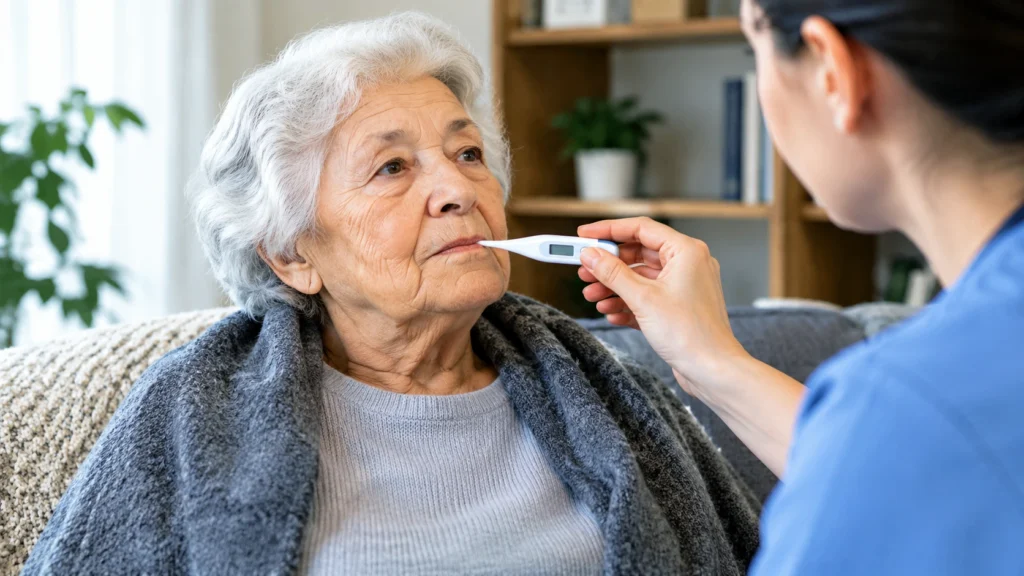
Body temperature is an important sign of health, especially in older adults. As people age, their bodies may respond differently to heat, cold, and infections. Some seniors naturally have lower temperature readings than younger adults. This can make it harder to notice illness early. Families and caregivers should understand normal temperature ranges and watch for unusual changes. Knowing what to check can help protect older adults from serious health problems and support better daily care.
What Is Normal Body Temperature for Seniors? A typical reading is around 98.6°F (37°C), but normal readings vary. A person’s usual temperature and other symptoms matter just as much.
What Is the Normal Body Temperature for Seniors?
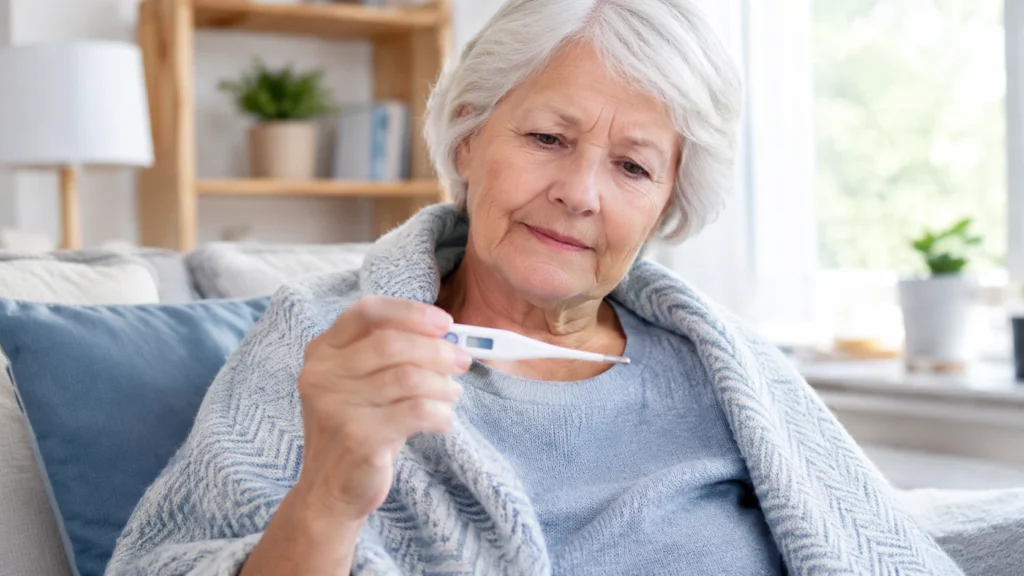
The average human body temperature is often given as 98.6°F (37°C). However, healthy readings can fall above or below this number. Temperature also changes throughout the day and depends on how it is measured. Older adults may have a lower usual temperature than younger people. For this reason, caregivers should learn each person’s normal reading.
The term elderly normal temperature does not describe one fixed number for everyone. A reading around 97°F to 99°F may be normal for some older adults. Their usual range, health, and measurement method help explain the result.
Does Normal Temperature Differ Between Men and Women?
There is no separate temperature range that applies to every older woman. The normal temperature for elderly women is generally assessed using the same principles as other adults. Individual health, daily changes, and measurement methods matter more than gender alone.
What Factors Affect Body Temperature in Older Adults?
Several factors can affect temperature readings as people grow older. Understanding these changes helps families notice problems sooner.
- Age-related changes: Older bodies may have more difficulty controlling heat and staying warm.
- Health conditions: Some illnesses can affect how the body responds to heat or cold.
- Medications: Certain medicines can affect sweating, circulation, or temperature control.
- Room conditions: Cold rooms, hot weather, and poor ventilation can change body comfort.
- Activity levels: Exercise and physical activity can cause short-term temperature changes.
Some seniors also have less body fat and reduced sweating. These changes can make them more sensitive to cold and heat.
How to Recognize a Fever in Seniors
A fever often means the body is fighting an infection. However, older adults may not develop the same high temperature as younger people.
According to the National Institute on Aging, possible signs of infection in older adults include:
- A single temperature reading above 100°F (37.8°C).
- Repeated readings above 99°F (37.2°C).
- A rise of more than 2°F (1.1°C) above their usual temperature.
These readings deserve medical attention, especially when other symptoms appear. A healthcare professional can assess the person’s condition and decide what tests or treatment are needed.
Common Signs of Fever in Older Adults
Watch for chills, sweating, tiredness, weakness, coughing, or reduced appetite. Some seniors may also experience confusion or unusual sleepiness. A sudden change in behavior can sometimes be an early sign of infection. Do not wait for a high fever before seeking medical advice.
Why Low Body Temperature Can Be Dangerous for Seniors
Low body temperature can be just as concerning as a fever. Older adults may lose body heat more easily, especially during cold weather. Hypothermia occurs when the body’s core temperature falls below 95°F (35°C). It is a medical emergency that needs immediate attention.
Common warning signs include:
- Cold hands and feet.
- Shivering or unusual weakness.
- Pale or cold skin.
- Slurred speech.
- Confusion or unusual sleepiness.
- Slow breathing or heartbeat.
If you suspect hypothermia, seek emergency medical help. Move the person to a warm place, remove wet clothing, and cover them with dry blankets. Avoid direct high heat or heating pads.
How to Measure Body Temperature Correctly
Accurate readings help families understand changes in a senior’s health. Use a digital thermometer and follow its instructions carefully.
Common ways to measure temperature include:
- Oral: Place the thermometer under the tongue and keep the mouth closed.
- Ear: Use an ear thermometer according to the manufacturer’s instructions.
- Forehead: Follow the device instructions and check the forehead as directed.
- Underarm: Place the thermometer against dry skin and hold the arm close to the body.
Different methods can give different results. Avoid comparing readings from different body sites as if they were identical. For better tracking, use the same thermometer and measurement method each time. Record the reading, date, time, and any symptoms.
When Should Seniors or Caregivers Contact a Doctor?
Contact a healthcare professional when a senior has an unusual temperature change or signs of illness. Do not rely on temperature alone to judge how serious the problem is. Seek medical advice if your parent has a new cough, painful urination, weakness, chills, or unusual confusion. Also report repeated readings above their usual range.
Call emergency services for severe breathing problems, loss of consciousness, severe confusion, or suspected hypothermia. A temperature below 95°F requires immediate medical attention.
How to Help Seniors Maintain a Healthy Body Temperature
Daily habits can help older adults stay comfortable and avoid extreme temperatures.
- Keep indoor spaces comfortably warm during cold weather.
- Encourage suitable clothing and extra layers when needed.
- Offer water regularly, unless a doctor has limited fluid intake.
- Avoid long exposure to extreme heat or cold.
- Check on seniors who live alone during very hot or cold weather.
- Keep rooms well ventilated during warm conditions.
Families often ask about the room temperature for 80 year old adults. There is no single ideal setting for everyone. A comfortably warm room, often around 68°F (20°C) or warmer in cold weather, can be a useful starting point. Adjust it for personal comfort, health needs, and clothing.
How In-Home Care Can Help Monitor Seniors’ Health
Regular support can help families notice changes in an older adult’s daily health. Caregivers may observe appetite, energy, hydration, comfort, and unusual behavior. With an agreed care plan, caregivers can also help record temperature readings and report concerns to family members.
They can offer water, prepare meals, and support comfortable daily routines. Caregivers should not diagnose infections or change medications. Medical concerns must be shared with the appropriate healthcare professional.
How Soteria Lifestyle Concierge Supports Senior Well-Being
Soteria Lifestyle Concierge understands the importance of comfort, dignity, and personal support for older adults. Its in-home care services help seniors manage daily routines while remaining in familiar surroundings.
Families seeking Personal Care in Chandler can explore support with hygiene, grooming, mobility, and everyday activities. Companion support can also help seniors stay socially connected.
CarePartners can assist with daily needs and report noticeable changes to families. This added support helps loved ones stay informed about their parents’ well-being. Contact Soteria Lifestyle Concierge today to discuss personalized care options for your family.
Conclusion
Normal body temperature can vary from one senior to another. A reading around 98.6°F is an average, not a rule for everyone. Older adults may show signs of infection without developing a high fever.
Learn your parent’s usual temperature and watch for changes in behavior, appetite, and energy. Seek medical advice when readings are unusual or symptoms appear. Regular support and careful observation can help protect senior health. Contact us today to learn how personalized in-home care can support your loved one’s comfort, safety, and well-being.
FAQs
What is a normal body temperature for seniors over 65?
There is no single normal reading for every senior. Many readings fall around 97°F to 99°F, depending on the person and measurement method.
Is 97°F a normal temperature for an elderly person?
Yes, 97°F can be normal for some older adults. Compare it with their usual readings and watch for other symptoms.
What temperature is considered a fever in seniors?
A single reading above 100°F, repeated readings above 99°F, or a rise above 2°F from normal may signal infection. Contact a healthcare professional for advice.
Why do older adults have lower body temperatures?
Age-related changes can affect heat control, circulation, sweating, and the body’s response to illness. Some seniors also have a lower usual temperature.
Can seniors have an infection without a high fever?
Yes. Older adults may have a serious infection without a high fever. Confusion, weakness, reduced appetite, or sudden behavior changes can also be warning signs.
When should I worry about a senior’s low body temperature?
A body temperature below 95°F may indicate hypothermia. Seek emergency medical help immediately, especially if the person is confused, weak, or unusually sleepy.