

It is a highly tender time for the family unit in which they bear witness to the experience of someone they love experiencing dementia. As dementia progresses, many families find themselves with a difficult question to answer:When Should Someone With Dementia Go Into a Care Home? No one can give you a standard or universal solution as everyone’s needs, health and level of dementia is unique to them. But knowing the right time can enhance not only the quality of life for the individual, but also the caregiver’s as well.
This guide outlines some of the main indicators that could suggest transition is appropriate, discusses the different types of care available and builds confidence for families to make informed choices. We understand how difficult this may be and we are here to assist families with compassionate and individualized care solutions at Soteria lifestyle Concierge.
Knowing what to expect from dementia and how it develops
Dementia is a condition that affects the brain’s functions of memory, thinking, communication and doing daily activities, and it worsens with time. With family support and/or professional assistance, many can remain independent during early stages. However, as dementia progresses, safety issues and more care needs may necessitate a greater level of supervision.
That is why many families eventually ask themselves, When Should Someone With Dementia Go Into a Care Home? The answer will vary by individual’s physical, cognitive, emotional, and the caregiver’s consistency.
Why Timing Matters
If the person continues to have a semi-independent lifestyle, it may seem premature to show that they are no longer able to function on their own. However, delaying too long can lead to further complications like falls, wandering, medication errors, poor nutrition and caregiver burnout.
By selecting professional care in a timely manner, people can adjust to a new environment better while enjoying the benefits of having a structured daily schedule, social connections and specialized care.
Common Signs That It May Be Time for Professional Care
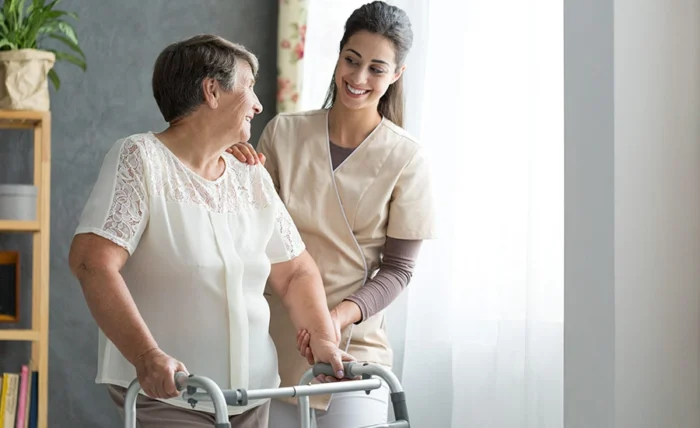
Identifying the signs it’s time for memory care can assist in making well-thought-out choices before a crisis.
Increasing Safety Risks
Personal safety is one of the primary issues. People with dementia can leave appliances on, wander off, forget how to get back, and fall often. These circumstances frequently need constant monitoring.
These are some of the most critical indicators that signify it’s time for a memory care facility particularly if home safety cannot be ensured even with modifications.
Daily activities start to be difficult.
Simple activities such as bathing, dressing, cooking and personal hygiene can become overwhelming. The more independence that is lost, the more professional help is needed.
At this stage, families may look at the features of home care for dementia sufferers and consider what they are looking for in a full-time care facility.
Caregiver Burnout
After months or years of caring, family caregivers can often be physically exhausted, emotionally stressed, anxious, and depressed.When caring for someone is impacting your health, job, relationships, or emotions, it might be time to think about getting more help than you are probably currently getting.
Behaviour changes become extreme
As dementia progresses, these may become aggressive, confused, experience hallucinations, wander at night, repeat actions or change personality significantly. These symptoms may need the intervention of trained professionals who are familiar with the dementia-specific care techniques.
Our care staff have experience in handling difficult behaviours and keeping dignity and compassion.
Medical Needs Are Increasing in Complexity
As dementia worsens, many have other health conditions that require medications, mobility support or specialized medical care.
When medical needs become too great to meet at home, families may move from providing home care for a dementia sufferer to more complete services.
Read More: How to Move a Parent with Dementia to Assisted Living?
Residential Dementia Care vs. Home Care
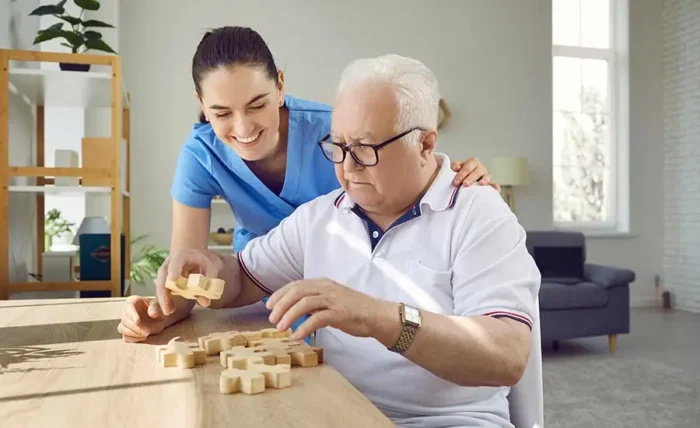
There are many families that ask themselves, is staying at home the best thing to do?Dementia care at home can enable a person to live in their own home and enjoy their normal activities with someone who can help them. This is effective at the earlier stages when risk is under control and family support are available.
But home care may not be able to provide the following advantages that are available in residential dementia care:
- 24-hour professional supervision
- A safe place to prevent wandering.
- Structured daily routines
- Memory-focused therapeutic activities
- Medication management
- Social interaction with peers
- Specialized dementia-trained staff
With many families, residential dementia care provides a better quality of life and peace of mind for their family members later in the disease.
When Nursing Care Becomes Necessary
Skilled nursing care is not needed at the time by everyone with dementia. But sometimes the best way is nursing care for dementia.
If people with dementia have any of the following symptoms, they may need nursing care for dementia.
- Serious mobility limitations
- Many health conditions that last for a long time.
- Frequent hospitalizations
- Difficulty swallowing
- Complex medication schedules
- The provision of advanced physical care needs.
Skilled care staff can offer continuous medical supervision and deal with issues that come with dementia.
Benefits of Moving Into a Dementia Care Home

Moving to a dementia care home has a range of advantages.After families decide when should someone with dementia go into a care home, many find many advantages after the move.
Professional dementia care communities provide:
Personalized Care Plans
All residents are provided with one to one support according to their cognitive capacity, health status and preferences.
Safe Living Environment
Falls risks are minimized, and secured areas are available to minimize wandering and maximize independence, in specially designed spaces.
Social Engagement
Living with dementia often leads to loneliness. Emotional well-being is enhanced through group work, music therapy, exercise and social interaction.
Reduced Family Stress
Family members are able to spend more quality time with the person they care for than on the actual caring.
Improved Nutrition and Medication Management
Professional staff members ensure that residents receive well-balanced meals, proper fluid intake and medication.
What does it take to be prepared for transition?
Admission to a care home is a big life change. Families can help smooth the transition by:
- Educating about honest and compassionate dialogue in the early stages.
- When possible visiting care homes together.
- Taking home comforts.
- Post admission regular visits.
- Being closely involved with staff to discuss routines and preferences.
The earlier the families plan, the less stressful it is usually.
Choosing the Right Dementia Care Community
When considering the proper placement for a person with dementia, there are a few important factors to take into account.
Choosing the ideal care home doesn’t just come down to costs. Families should evaluate:
- The staff training on dementia care issues.
- Safety measures
- Personalized care planning
- Cleanliness and environment
- Resident activities
- Family communication
- Medical support availability
- Overall atmosphere
At Soteria Lifestyle Concierge we are always available focusing on providing individualized care, secure environment and respectful support that allow the residents to enjoy the highest possible quality of life.
Conclusion
So recognizing the warning signs can help families make compassionate and proactive decisions such as deciding when someone with dementia should go into a care home. Also professional dementia care provides stability, security and improves quality of life whether due to safety concerns, increasing medical needs or declining independence becomes overwhelming.
For choosing the best option that meets their loved ones evolving needs families should understand the differences between home support, memory care and skilled nursing. By trusting our compassionate providers like Soteria Lifestyle Concierge you can make sure that loved ones are receiving the care, support and dignity they deserve. Contact Soteria Lifestyle Concierge today to discuss your family’s needs and find the right care solution with confidence.
Frequently Asked Questions (FAQs)
When should someone with dementia go into a care home?
When safety risk increases, daily activities biome difficult, behavioral symptoms worsen and family dont provide adequate support then this is usually the right time for care home.
Is home care enough for someone with dementia?
Home care is sufficient in early stages. Residential care becomes the safer option as with time dementia progresses and care needs becomes more complex.
What is the difference between memory care and nursing care?
With specialized daily care, memory care focuses on supporting people with dementia. While for complex health conditions nursing care provides skilled medical services.
How do I know if my loved one needs memory care?
The most common indicators include confusion, wandering, medication mistakes, poor hygiene and aggression.