
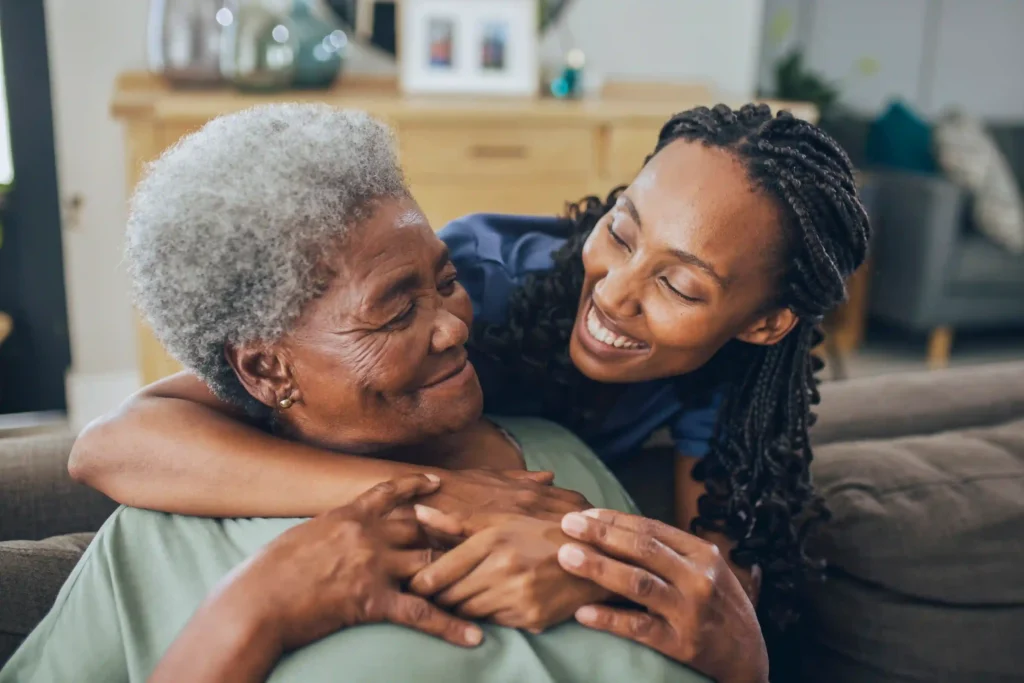
Certain daily tasks get harder when one gets older, is ill, injured or has limited mobility. Washing oneself, putting on clothes, cooking or walking around the house may need work. Proper help can make these tasks feel less stressful.
What Is a Personal Care Assistant? A personal care assistant assists with personal needs while respecting a person’s comfort, privacy and independence. Personal care assistant support may cover bathing, dressing, grooming, moving around meals and other daily chores. The goal is not to take over a person’s life. It is to give the help a personal care assistant provides so that a person can live safely and comfortably.
What Is a Personal Care Assistant?

A personal care assistant, often called a PCA, helps people with daily living tasks. This support is usually non-medical. Can take place in the person’s home. The exact duties depend on the person’s needs, the care plan and the provider’s rules.
For example an older adult may be able to walk around the house but struggle with getting into the shower. A personal care assistant may help the person prepare for bathing, provide assistance and help them get dressed afterward.
Another person may need help getting dressed in the morning. Manage the rest of their routine on their own. This is why personal care should not follow a one-size-fits-all approach. You may also hear the terms personal care attendant, personal care aide or caregiver. These terms can have meanings depending on the employer and location. If you are searching what is a personal care aide the basic idea is similar: it is a worker who helps a person with approved daily care needs.
What Does a Personal Care Assistant Do?

Personal care assistant duties depend on the individual’s needs and the services offered by the provider. Common personal care assistant duties may include the following.
Bathing and Personal Hygiene
A PCA may help a person get ready for a bath or shower and offer hands-on help when it is needed. Personal hygiene can include things like brushing teeth, grooming, shaving, taking care of hair and other daily routines. These tasks can feel very private. A respectful caregiver should always protect the person’s dignity. Make sure they have as much privacy as possible, during these moments.
Dressing
Getting dressed can be tricky when someone has trouble moving around feels weak. Has issues, with balance. A personal care assistant can offer help with getting dressed putting on shoes handling buttons or other parts of the routine. The person should still try to do much as they can on their own as long as it is safe.
Toileting
Getting dressed can be hard when someone has trouble moving and feels weak. They have problems, with balance. A personal care assistant can provide help with getting dressed putting on shoes handling buttons or other parts of the routine. The person should still try to do much as they can on their own as long as it is safe.
Mobility
A PCA can help with movement when the task is part of PCA training and assigned duties. This help could mean assisting someone to move around the home or helping with transfers. Families should always ask what mobility support a caregiver is trained to provide.
Simple Meal Support
Depending on the care plan a personal care assistant may prepare meals or help with routine food-related tasks. The goal is to make daily living easier not to provide nutrition care. Focus is, on helping people manage needs like getting food ready or setting the table without going into medical details. This support helps maintain independence and comfort in the home.
Light Household Help
Some personal care services can include household tasks that support a persons daily life. For instance a caregiver might organize the space where the senior spends most of their time replace bed sheets or assist with washing clothes. However deep cleaning is generally not part of these services. Is handled separately.
Who May Need a Personal Care Assistant?
Personal care assistance can help people who find it hard to handle some tasks by themselves. Personal care assistance is especially useful, for those who need support with everyday activities.
This may include:
- Older adults aging at home
- People with limited mobility
- Adults recovering from an illness or injury
- People living with disabilities
- Individuals who need help with personal hygiene
- People who want support with daily routines
The need is not about age. A healthy older adult can handle all tasks by themselves. Another person who is the age might need help with bathing or getting dressed. The need is not, about age. A healthy older adult can handle all tasks by themselves. Another person who is the age might need help with bathing or getting dressed.
The better question is: Which tasks are becoming difficult or unsafe?
For instance, someone may still prepare meals and manage their medications but struggle to step into the shower safely. That person may need help with personal care without needing full-time assistance.
Personal Care Assistant vs. Companion Caregiver
Personal care and companion care can sometimes be similar. They have different main goals. A personal care assistant provides help with personal tasks like bathing, dressing and eating. This kind of support is focused on living activities. A companion caregiver on the hand spends time talking, sharing hobbies, running errands or going for walks. The focus is on connection and keeping a person engaged.
Take an adult who loves reading but has trouble getting ready in the morning. A personal care assistant might help with that morning routine. Later a companion caregiver could come by to read a book together or go for a walk. This shows how both types of care can work side by side.
Many people find that they need both kinds of support. It’s not about choosing one or the other. It’s, about finding the mix. The goal is to meet the persons needs. What matters most is what helps the person feel safe, supported and happy every day.
Personal Care Assistant vs. Home Health Aide
These terms can be confusing because responsibilities might overlap. A home health aide may help with care and other daily support but the job can include extra training or duties depending on state laws and the company. A personal care assistant usually focuses on -medical personal support.
Families should not depend on job titles. Ask the provider what the caregiver is trained to do and which services are included. This is especially important when someone has needs. Tasks that need judgment or skilled medical training should be done by the right licensed professional.
What Are Activities of Daily Living?
Activities of daily living, often called ADLs, are basic tasks people usually need to manage each day.
Common ADLs include:
- Bathing
- Dressing
- Eating
- Toileting
- Grooming
- Moving from one position or place to another
ADLs can help families explain what kind of support a person actually needs. For instance saying someone “needs care” is very vague.. Saying the person needs help with bathing and dressing makes it much clearer what kind of assistance is required.
There are also activities of daily living or IADLs. These are tasks, like shopping, cooking meals managing a household and using transportation. A person might be able to take care of personal needs on their own but still need help with these more complex daily tasks.
What Are the Benefits of Having a Personal Care Assistant?
I find that the main benefit is support, for tasks that have become hard. That support can also touch parts of daily life.
Better Daily Comfort
Help with bathing, dressing or grooming can make the morning routine easier.
Support With Independence
I see that a caregiver can assist with steps while a caregiver does not do everything for the person.
Greater Dignity
Respectful personal care helps people receive help while still feeling that respectful personal care keeps their choices in their hands.
Less Pressure on Family
Family members might want to help. They can’t always be there, for every part of the day. That’s where a caregiver steps in. They can fill in the gaps. Give the support that’s needed when family is not around. It helps make sure everything runs smoothly.
Support for Aging at Home
For some people help with care can make staying at home easier. The home environment feels familiar. Family is close, by when needed. Daily routines can stay more stable.
How Does a Personal Care Assistant Support Independence?
It may seem strange that receiving help can support independence. The two can work together. The key is helping without taking over. Suppose an older adult can brush their hair but needs help standing near the bathroom. The caregiver can assist with the safety issue while allowing the person to handle the grooming themselves.
The same idea can apply to dressing, meals and other routines. A good caregiver pays attention to what the person can do. They offer help where it is needed and allow the person to make choices whenever possible. That approach can protect confidence well as physical independence.
What Should Families Look for in a Personal Care Assistant?
Choosing someone for personal care requires more than checking availability.
Families should consider:
- Relevant training
- Experience with similar care needs
- Reliability
- Respectful communication
- Patience
- Understanding of personal boundaries
- Ability to follow a care plan
- Clear communication with the family
Trust matters because personal care deals with parts of a persons daily life. Families should make sure the provider clearly explains what the caregiver is responsible, for. If a person needs help with moving dealing with dementia or any other special need ask whether the caregiver has the right training and experience.
What Should Families Ask Before Hiring a Personal Care Assistant?
A few direct questions can prevent confusion later.
Ask the provider:
- What personal care tasks are included?
- What training does the caregiver have?
- Can the caregiver help with bathing and dressing?
- What mobility assistance can they provide?
- How is the care plan created?
- How are changes in needs reported?
- What happens if the scheduled caregiver cannot come?
- How does the family communicate with the care team?
- Are there tasks the caregiver is not permitted to perform?
- How are concerns or complaints handled?
I think families should also ask how the provider matches caregivers with clients. A good match between families and caregivers and between caregivers and clients involves more, than skills. Personality communication style and comfort can matter too.
When Should Someone Consider Personal Care Assistance?
Personal care assistance may be worth considering when everyday tasks become difficult, tiring, or unsafe.
Some signs include:
- Trouble bathing without help
- Difficulty getting dressed
- Problems with grooming
- Increased difficulty using the bathroom
- Mobility challenges
- Trouble keeping up with personal hygiene
- Family members struggling to provide daily help
- A desire to remain at home with additional support
For families looking for personal care services in Chandler, the first step is to look at the person’s actual needs.
For example, someone may only need morning assistance with bathing and dressing. Another person may need several visits throughout the day.
Soteria LifeSyle Concierge can help families explore personalized support based on daily routines and individual needs. The goal is to match the level of help with the person, rather than automatically choosing more care than necessary.
Personal Care and Aging in Place
Aging in place means staying in a home or community that feels familiar as a person grows older. For families this is a key goal. Personal care can help with aging in place when a person needs assistance with tasks that have become more difficult but does not need to live in a facility. The home is often where they feel the at ease. They are comfortable with the rooms the neighbors, the daily routines and the environment around them.
However home care must always focus on safety. If the needs of a person become too complicated for the home support that’s available the family should talk about other choices with the right experts. Personal care is one part of a bigger plan for support. It can be used along with help, from family members, a companion, transportation services and medical care that is properly trained when needed.
Conclusion
A personal care assistant helps with tasks that a person might find hard to do on their own. These tasks include bathing, getting dressed, grooming moving around and daily activities. The goal is not to take over someones life but to offer support where it’s needed. This way the person can still stay independent. Make their own choices. They can do what they are safe to do while getting help, for the things that’re too challenging.
For families, the first step is often asking, “What parts of daily life have become harder?” Once they understand which tasks are difficult, they can look for a caregiver with the right training and skills. It is important to choose someone whose services match the person’s needs and whose approach feels comfortable for the family. Contact us today to learn how personalized care can support your loved one at home.
FAQs
What is a personal care assistant?
A personal care assistant helps people with personal and daily living tasks. I have seen how a personal care assistant can make daily life easier. Personal care assistant services may include bathing, dressing, grooming help with moving meals and other agreed non-medical support.
What does a personal care assistant do?
A personal care assistant can help with bathing, dressing, grooming, toileting moving around simple meals and other personal care tasks that are listed in the care plan.
What is a personal care aide?
A personal care aide is usually a caregiver who provides help with needs and daily activities. The exact duties and job title can vary by provider and location.
Is a personal care assistant the same as a personal care attendant?
The terms can describe work but their meaning may vary by state, employer or care provider. Families should ask about the duties that are included with the service.
Can a personal care assistant help with bathing?
Yes bathing assistance can be part of personal care services when it is included in the care plan and falls within the personal care assistants training and duties.
Can a personal care assistant help with dressing?
Yes. A personal care assistant can help with choosing clothing getting dressed removing clothing and other related tasks when those tasks are included in the service plan.
Does a personal care assistant provide care?
Personal care assistance is generally non-medical. Medical treatment and skilled clinical services should be provided by qualified health professionals.
Who can benefit from personal care assistance?
Adults, people with disabilities people with mobility limitations and individuals recovering from illness or injury may benefit when daily personal tasks become difficult.
What is the difference between care and companion care?
Personal care focuses more on hands‑on help with needs. Companion care focuses more, on interaction, conversation, activities, errands and companionship.
Can personal care help seniors age at home?
It can support aging at home by helping with tasks that have become difficult. The level of care should match the persons needs and safety requirements.