
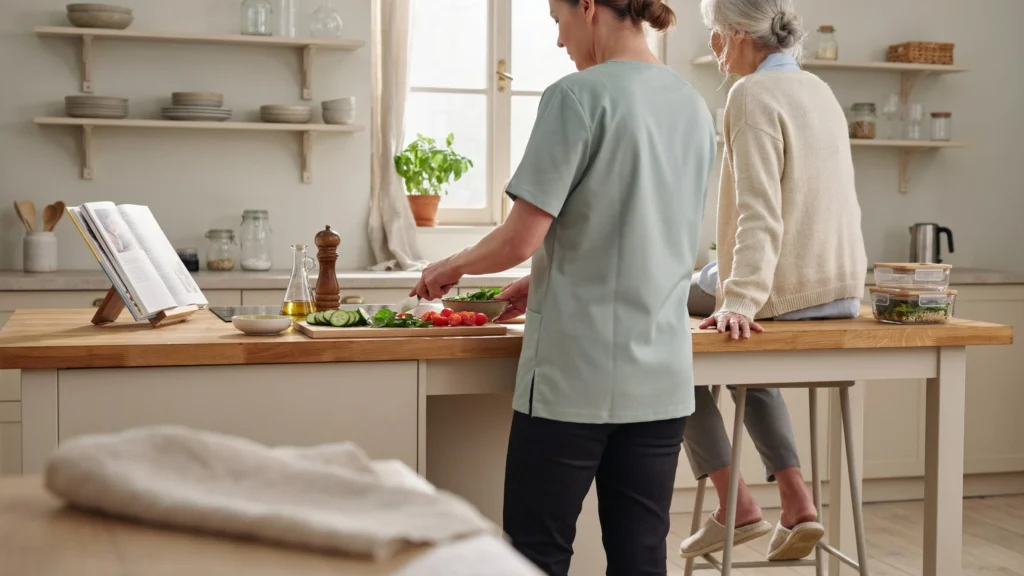
Caregiving involves much more than helping with daily tasks. A good caregiver needs patience, communication, observation, safety awareness, and compassion. These skills help a person feel safe, respected, and supported at home. They also help caregivers respond to changing needs without taking away a person’s independence. Some caregiving roles require extra training, especially when medical or complex care is involved. However, several core skills are useful in almost every caregiving setting.
What Are the Basic Skills of a Caregiver?
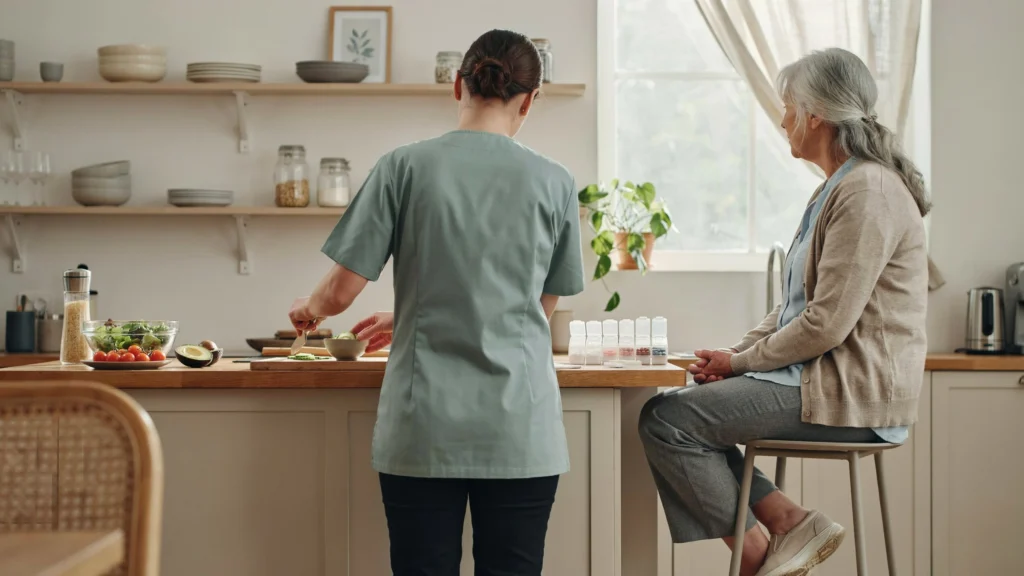
The most important caregiver skills include communication, empathy, patience, observation, personal care, organization, problem-solving, safety awareness, reliability, and respect for independence. These skills help caregivers provide steady support while recognizing when a situation needs help from a nurse, doctor, family member, or other professional.
Communication Skills
Clear communication is one of the most important skills needed to be a caregiver. A caregiver should listen carefully and give the person enough time to explain what they need.
Good communication includes:
- Listening without interrupting.
- Speaking in a calm and respectful way.
- Using simple words when explaining something.
- Asking questions when instructions are unclear.
- Paying attention to facial expressions and body language.
- Sharing important changes with the right family member or professional.
Older adults may have hearing, speech, memory, or vision changes. A caregiver may need to slow down, reduce background noise, or repeat information without showing frustration. Communication also matters when working with family members. Caregivers should report changes in appetite, mood, mobility, sleep, or daily routines rather than assuming someone else has noticed them.
The National Institute on Aging notes that good communication can help caregivers and health professionals work together more effectively.
Compassion and Empathy
Caregiving often involves helping with private or difficult parts of daily life. Compassion helps the caregiver provide that support with kindness. Empathy means trying to understand how another person feels. A person who needs help bathing, dressing, walking, or eating may feel embarrassed or frustrated. A caring response can protect their confidence and dignity.
Simple actions can show compassion:
- Ask before helping.
- Respect personal preferences.
- Avoid making jokes about someone’s limitations.
- Give choices whenever possible.
- Listen when the person wants to talk.
- Treat the person as an adult, not as a task.
These caregiver qualities and skills can make everyday support feel more comfortable and personal.
Patience
Patience is another key caregiving skill. Daily activities may take longer when someone has limited mobility, memory problems, pain, or low energy. A patient caregiver does not rush the person unnecessarily. They allow enough time for meals, dressing, walking, bathing, or getting ready for an appointment.
Patience also matters during repeated questions or difficult moments. Instead of reacting with anger, a caregiver can pause, speak calmly, and look for the reason behind the behavior.
For example, a person who refuses to get dressed may be tired, uncomfortable, confused, or worried about something. Understanding the reason can lead to a better response than simply insisting.
Observation Skills
Good caregivers notice small changes. Observation is not about diagnosing a medical condition. It is about recognizing changes and reporting them appropriately.
A caregiver may notice that someone:
- Eats less than usual.
- Seems more tired.
- Has become unusually quiet.
- Walks differently.
- Appears unsteady.
- Has trouble completing a familiar task.
- Seems confused or more forgetful.
- Has a noticeable change in mood.
These changes can provide useful information to family members or health professionals. Safety observation is also important. CDC guidance recommends reducing common fall hazards such as clutter and loose rugs and improving lighting in the home.
A caregiver should never ignore a sudden or serious change. When something seems concerning, the right response is to report it or seek appropriate professional help.
Basic Personal Care Skills
Personal care is often part of caregiving, depending on the person’s needs and the caregiver’s role.
Basic personal care may include helping with:
- Bathing or showering.
- Dressing.
- Grooming.
- Toileting.
- Eating and drinking.
- Safe movement around the home.
- Simple daily routines.
The key is to provide only the level of assistance needed. If a person can button their shirt, brush their hair, or walk a short distance safely, the caregiver should allow them to do it. This supports independence while still providing help when needed.
Caregivers should also respect privacy during personal care. Closing doors, using appropriate coverings, explaining what they are doing, and asking permission can make the experience more comfortable.
Time Management and Organization
Caregivers often manage several tasks during the same day. Organization helps prevent missed appointments, forgotten instructions, or rushed routines.
Useful habits include:
- Keeping a simple daily schedule.
- Preparing needed items before starting a task.
- Tracking appointments.
- Following the agreed care plan.
- Keeping important contact information available.
- Recording relevant changes for the care team.
A written notebook or digital record can also help families stay informed. NIA recommends tools for coordinating caregiving responsibilities and keeping important care information organized.
Good organization does not mean filling every minute with tasks. It should leave enough time for rest, conversation, and unexpected needs.
Problem-Solving Skills
Caregiving rarely goes exactly as planned. A person may refuse an activity, become tired before an appointment, or need more help than expected. Problem-solving helps the caregiver respond without becoming overwhelmed.
For example, if an older adult does not want to take a walk, the caregiver can ask why. The person may be tired or uncomfortable. A shorter walk later may work better. The important point is to find a safe and reasonable solution without forcing the person. Caregivers should also know their limits. A problem that requires medical assessment, emergency care, or specialized treatment should be handled by the appropriate professional.
Basic Health and Care Knowledge
Caregivers need enough basic knowledge to follow care instructions safely. The exact training depends on the job and the person’s needs.
Basic knowledge may include:
- Hand hygiene.
- Safe movement and fall prevention.
- Personal hygiene.
- Food and fluid routines.
- Following written care instructions.
- Recognizing changes that should be reported.
- Knowing when to ask for professional help.
A caregiver should not perform medical tasks simply because they have seen someone else do them. Some duties require specific training, licensing, or professional supervision. This distinction protects both the caregiver and the person receiving care.
Reliability and Responsibility
Families need to know that a caregiver will take their responsibilities seriously. Reliability is built through consistent actions. A responsible caregiver arrives when expected, follows agreed instructions, protects private information, and communicates when a problem occurs. Trust also comes from being honest about limitations. If a task is outside the caregiver’s training, saying so is safer than attempting it without proper knowledge.
Reliable caregiving also means treating the home and personal belongings with respect. Small details, such as returning items to their place or keeping appointments organized, can make a meaningful difference to families.
Emotional Resilience
Caregiving can be rewarding, but it can also be stressful. A caregiver may deal with sadness, frustration, repeated requests, difficult behavior, or changing care needs. Emotional resilience helps caregivers stay calm without ignoring their own feelings. This does not mean a caregiver should handle everything alone. Asking for help is a responsible choice.
MedlinePlus notes that caregiving can become stressful and overwhelming, especially when people manage complex demands without enough training or support. Caregivers should take reasonable breaks, maintain healthy routines, and ask family members or professionals for support when the workload becomes too much.
Respect for Dignity and Independence
One of the most important essential caregiver skills is knowing how to help without taking control. A caregiver should encourage the person to do what they can safely do for themselves. This might mean allowing someone to choose their clothes, decide what meal they prefer, or complete part of a daily task.
Respect also means protecting privacy and personal choices. For example, instead of saying, “You cannot do that,” a caregiver can ask, “Would you like some help with that?” This small change gives the person a sense of control while keeping support available.
How Can Someone Improve Their Caregiving Skills?
Caregiving skills can improve through training, practice, feedback, and experience.
A person can build stronger skills by:
- Taking caregiver training that matches the role.
- Learning basic safety practices.
- Practicing active listening.
- Asking experienced caregivers for feedback.
- Learning how to document important observations.
- Understanding the limits of their role.
- Learning more about the needs of the person they support.
- Using trusted health resources for education.
NIA provides caregiver worksheets covering areas such as home safety, coordinating responsibilities, medications, and questions to consider when choosing care.
Training should match the person’s needs. Someone supporting a person with dementia may need different knowledge from someone providing basic companionship.
Basic Skills vs. Advanced Caregiver Skills
Basic caregiving skills help with everyday support. Advanced skills may involve more complex care and usually require additional training. For example, basic support may involve companionship, meal preparation, light household tasks, mobility assistance, or personal care.
Advanced care may involve specialized health procedures or complex medical needs. These duties should only be performed by people who have the required training and authorization. Knowing the difference is an important part of safe caregiving. A good caregiver understands both what they can do and when they need to involve someone else.
How These Skills Improve Quality of Care
Strong caregiver skills can improve daily care in several ways. Good communication helps families stay informed. Observation can help identify changes that need attention. Patience can reduce stress during difficult routines. Organization helps keep daily activities on track.
Safety skills also matter. CDC guidance highlights simple home changes that can reduce fall risks, including removing trip hazards, improving lighting, and adding appropriate grab bars and handrails.
For families looking for Personal Care in Chandler, these skills are important when choosing in-home support. Soteria LifeStyle Concierge focuses on personalized care that respects comfort, dignity, independence, and individual routines.
The goal is not simply to complete a list of tasks. Good care supports the whole person and helps them feel safe and respected in their own environment.
Conclusion
What Are the Basic Skills of a Caregiver? The answer goes beyond practical tasks. A capable caregiver needs communication, compassion, patience, observation, organization, safety awareness, and respect for independence. The best caregiver skills are used together. A caregiver may need patience while providing personal care, observation while supporting mobility, and communication when sharing concerns with family members.
Caregiving needs also change over time. When a person’s needs become more complex, additional training or professional support may be necessary. Choosing care that matches those needs can help families provide safer and more comfortable support at home. Contact Soteria LifeStyle Concierge today to discuss personalized care options that can meet your loved one’s changing needs.
FAQs
What Are the Basic Skills of a Caregiver?
What Are the Basic Skills of a Caregiver? The core skills include communication, compassion, patience, observation, personal care, organization, problem-solving, safety awareness, reliability, and respect for independence.
What are the 5 most important skills of a caregiver?
Five important skills are communication, patience, compassion, observation, and reliability. These skills help caregivers understand needs, provide respectful support, notice changes, and build trust.
What are the skills needed to be a caregiver?
The skills needed to be a caregiver depend on the person’s needs and the care setting. Common skills include communication, personal care, organization, safety awareness, patience, observation, and problem-solving.
What qualities make a good caregiver?
Good caregiver qualities and skills include kindness, patience, reliability, respect, good listening, emotional awareness, and the ability to stay calm during difficult situations.
Do caregivers need special training?
Some caregiving tasks can be learned through basic training, while other duties require specialized education or professional credentials. Training should match the person’s needs and the caregiver’s responsibilities.
Why is communication important for caregivers?
Communication helps caregivers understand preferences, explain daily activities, share important observations, and work with family members or health professionals.
How can caregivers prevent falls at home?
Caregivers can help reduce common hazards by keeping walkways clear, improving lighting, removing loose rugs, and following appropriate safety guidance. They should also report concerns about balance or falls to the appropriate professional.