

One of the most difficult health issues of the elderly and their families is dementia. When a diagnosis is made, there may be many questions, such as, is dementia reversible? There are some illnesses that can mimic dementia symptoms which can be treated, but most dementias are progressive and are not curable at this time. Early diagnosis, adequate treatment and supportive care may, however, make a difference to quality of life and allow people to live independently for as long as possible.
We feel that knowledge about dementia gives a family the power to make informed choices and offer caring for the person living with dementia. This guide from Soteria lifestyle will clarify what dementia is, if it can be reversed and treatment options for today.
What Is Dementia?
Dementia is NOT a single disease, it’s a name for a cluster of symptoms involving problems with memory, thinking, reasoning and daily functioning. Most commonly a result of conditions that include Alzheimer’s disease, vascular dementia, Lewy body dementia and frontotemporal dementia.
Symptoms may include:
- Memory loss
- Difficulty communicating
- The inability to distinguish between time and place.
- Poor judgment
- Mood and personality changes
- Having difficulty with common activities
As the dementia progresses, more and more care and support may be needed.
Is Dementia Reversible?

If your loved one is showing signs of dementia, the question of is dementia reversible? will depend on its cause.Unfortunately, most types of dementia, such as Alzheimer’s disease, are not currently treatable or reversible as they are a result of permanent damage to brain cells. These cells once they are gone are gone.
Several disorders of the body, however, can give dementia-like symptoms which can be improved with treatment. These include:
- Vitamin B12 deficiency
- Thyroid disorders
- Medication side effects
- Severe depression
- Brain infections
- Normal pressure hydrocephalus
- Dryness or a lack of nutrients
If these underlying conditions can be identified early on, symptoms can improve considerably. That is why it is crucial to have an accurate medical diagnosis.
Is there a cure for dementia?
Many ask, can dementia be reversed? Unfortunately, the treatment available if the diagnosis is Alzheimer’s disease or another degenerative dementia does not completely restore lost brain function.
New drugs and treatments continue to be researched that may slow the progression of the disease, but there is currently no cure.
However, if symptoms are not attributable to dementia, but rather to other reversible medical conditions, a treatment plan (including cognitive rehabilitation, diet and mental health) may be able to restore cognitive functioning.
Can Early Dementia Be Reversed?
Do you wonder can early dementia be reversed?
Symptoms can be best managed if the disease is diagnosed early. The question of whether can early dementia be reversed is common but evidence indicates that early-stage Alzheimer’s and other progressive dementias can’t be reversed.
Early diagnosis of dementia can help healthcare professionals to:
- Begin medications sooner
- Take care of other health issues
- Create individual care plans
- Encourage healthy lifestyle changes
- Help carers before symptoms start to develop.
Early intervention can help people stay independent for longer and enhance their quality of life.
Can Dementia Be Slowed Down?
While dementia may not be reversible, many families wonder, can dementia be slowed down?
The good news is that in many instances, the question of slowing dementia is an important consideration in contemporary dementia care. There are a number of strategies that can be used to help slow the progression of symptoms:
Healthy Nutrition
A diet rich in vegetables and fruits, fish, whole grains and healthy fats is good for brain health and well-being, especially a Mediterranean diet.
Regular Physical Activity
Exercise benefits the brain, heart and circulation and decreases the likelihood of additional cognitive fallout.
Mental Stimulation
Reading, puzzles, music therapy and engagement in social activities help to maintain an active brain.
Managing Medical Conditions
Diabetes, high blood pressure, high cholesterol, and heart disease can cause further brain damage, particularly in vascular dementia, which can be avoided with control.
Quality Sleep
Bad sleep can aggravate memory loss. Sleep disturbances can be treated to enhance cognitive functioning.
Medication
Some people may find that certain drugs they are prescribed by their healthcare provider temporarily help their memory or slow symptom onset.
Read More: How to Move a Parent with Dementia to Assisted Living?
Can You Reverse Dementia Naturally?
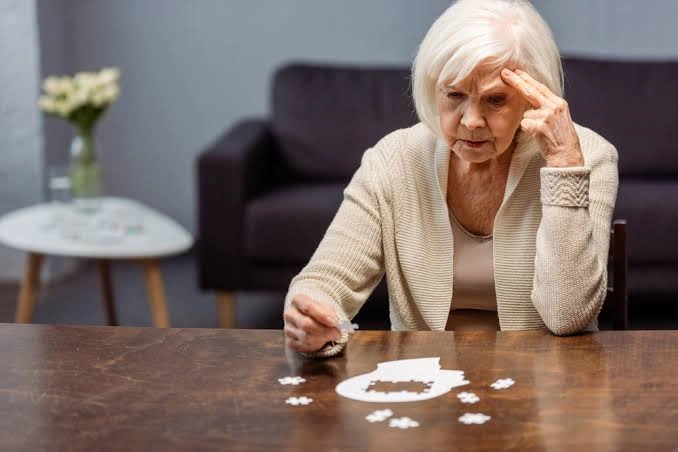
There are many individuals who are looking for a natural treatment for dementia. Unfortunately, there is no diet, supplement, herbal treatment or exercise regimen that has been scientifically proven to cure or reverse dementia that develops as a result of Alzheimer’s disease or other irreversible brain diseases.
Good health practices do help the brain function and they can help to delay brain deterioration, but they can’t be a substitute for medical interventions.
It is important to always seek advice from healthcare providers before using alternative therapies or supplements.
The Importance of Early Diagnosis
Early recognition is the most important part of successful care as it gives the greatest chance of effective care. Warning signs include:
- Frequent memory loss
- Repeating questions
- Difficulty following conversations
- Disturbed functioning at familiar activities
- Finding one’s way lost in familiar surroundings
- Personality/behaviour changes
Evaluation by a medical professional may involve cognitive tests, blood tests, neurological tests, and brain imaging to identify the underlying cause of symptoms.
Living Well With Dementia
There is no cure, however, with support, many people live meaningful lives after their diagnosis.
Compassionate memory care is about maintaining dignity, fostering independence and ensuring that residents are cared for on a personal level in a secure setting at Soteria Lifestyle Concierge. Professional caregivers assist with routines and engaging activities, as well as enjoy a higher quality of life at all levels of dementia.
Education, emotional support and guidance are also provided for families to navigate their journey as they care for their child.
Conclusion
When asking about is dementia reversible the answer depends upon the underlying cause. Some medical conditions that resemble dementia are treated when diagnosed early as the most progressive forms of dementia cannot be reversed. So with early intervention, healthy lifestyle choices, appropriate medications slows progression and improves daily life.
Try to seek professional evaluation as early as possible if you or a loved one is experiencing memory changes. At Soteria lifestyle we always help individuals with dementia live with dignity, comfort and the highest possible quality of life. Contact Soteria Lifestyle Concierge today to learn how our dedicated team can support your loved one with trusted memory care services.
Frequently Asked Questions
Is dementia reversible in older adults?
Certain medical conditions causing dementia may improve with proper treatment as most forms of dementia are not reversible.
Can dementia be slowed down?
Yes. with a healthy lifestyle and early medication may slow cognitive decline in many individuals.
Can early dementia be reversed?
Dementia caused by Alzheimer’s disease cannot currently be reversed but through the early treatment symptoms can be managed more effectively.
Can dementia be reversed with medication?
Dementia cannot be cured through current medications but it may improve symptoms or slows progression for some patients.
How can Soteria Lifestyle help families living with dementia?
To improve quality of life for individuals with dementia, Soteria lifestyle provides compassionate memory care, personalized support, engaging activities and safe environment.