

One of the most emotional things a family will discuss is telling a parent that they are transitioning to memory care. When it comes to how to tell mom she’s moving to memory care, you’re not alone if you’re wondering how you can let her know. Many families don’t know what to say and how to keep their loved one safe and avoid hurting their feelings. This decision is rarely made lightly, and can take months or years of care to make.
Memory care communities are tailored to offer care for people impacted by Alzheimer’s disease, dementia and all other memory-related conditions. They also provide a safe and sound setting, structured programs, and stimulating activities that benefit both the safety and quality of life for these communities. While the discussion can be daunting, it can be made easier if it is approached with compassion, patience and understanding.
We know how difficult this decision can be for families and have been there.We know how difficult this decision can be for families because we’ve been there at Soteria Lifestyle Concierge. We want to offer outstanding memory care, and support loved ones through the process with confidence and compassion.
Why This Conversation Is So Difficult
The transition to memory care for Mom can’t be communicated with just a few words. Memory loss, confusion and changes in reasoning and emotional functions caused by dementia make it hard for many people to understand the need for extra care. Your mom might be scared, have questions or think she can still live on her own.
These feelings are human feelings and go through everyone. Don’t argue with her about it, but show her empathy and support. The goal is to assist her in feeling safe and loved during this process.
Prepare Before Having the Conversation
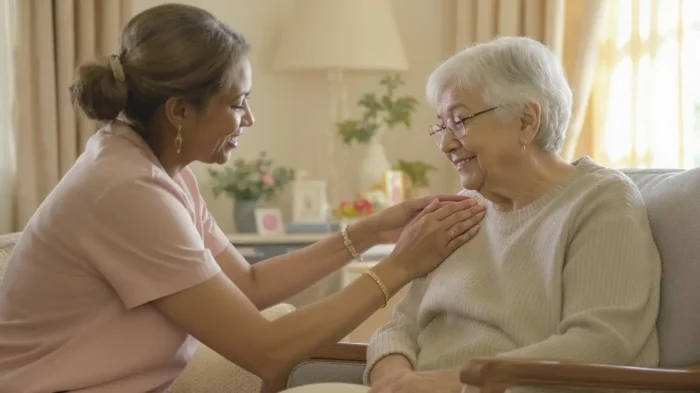
The discussion can be a lot less stressful if it is prepared. Before meeting with your mother, think about when and where the meeting will occur. Select a familiar, quiet setting, with minimal distractions. It’s also beneficial for close family members to agree in advance on the message to be given so that everyone gives a unified and supportive response.
Some families prefer to have a few quiet conversations about discussing memory care with mom and allow her to reflect and process each suggestion. Don’t make the move all at once, but slowly make the idea part of the plan, while pointing out the advantages. This way, it doesn’t seem like such a daunting task to talk about discussing memory care with mom.
Read More: What is Memory Care vs Assisted Living?
Focus on Safety and Comfort
The best way to describe the decision is to think of safety rather than restrictions. Instead of telling your mom she can’t take care of herself, you can help her understand that memory care can help her to stay comfortable and independent for as long as possible.
You can highlight benefits such as:
- Twenty-four-hour professional care
- Medication management
- Daily meals and nutrition
- Social interaction and friendships
- Secure surroundings
- Help with basic tasks and activities
Rather than removing her independence, talking about making her life better often simplifies things for everyone.
Speak with Compassion, Reassurance
Your choice of words can have a significant impact on your mother’s reaction. Don’t argue, be calm and use reassuring language during the conversation. Rather than what she no longer will be able to do, share what she will be able to do as a result of the move.
You could explain that she will be surrounded by caring people when she needs help, fun things to do each day, and will be able to make new friends. These positive messages can help to decrease her fear and make her feel safer.
Include Mom in the Decision as often as possible

Even if it will need to happen, letting your mother be involved in the smaller decisions will help her to maintain her independence. She might like to pick her clothes, pick her favourite photos, decorate her new room or bring home favourite keepsakes.
When so much in life is uncertain, allowing her to choose gives her a sense of control.Do not go through the transition quickly.
Make the Transition Gradual
Before move-in day, introduce your mom to your community. An activity, a meal, a visit to the residence, meeting the caregiver, etc. can help make the new environment more familiar.
For many families, it is easier to manage when moving a parent to memory care is done gradually, as opposed to all at once in one transition. Gradually helps your mother get used to the environment before moving in permanently. Planning is also important for the moving a parent to memory care experience to be a positive one for the entire family.
Prepare for varying emotional responses
Change is different for everyone. Your mother will be sad, scared, angry, confused, in denial or even relieved. All of these reactions are normal and expected especially for people living with dementia.
If emotions are challenging, rather than correcting or arguing, try to dismiss them. Instead, validate her emotions by stating that you know this is a big one, and will continue to support her through it. Giving emotional validation is sometimes more comforting than lengthy explanations.
How to help Mom adjust to the move

The change is not over when your mother moves to memory care. Continuing family support is still very significant during the settling-in phase.
One of the best things you can do to help mom transition to memory care is to keep her routines as normal as possible. Comfort can be provided through regular visits, preferred music, family photos, special blankets, and important personal items that can help minimize anxiety. Also, giving caregivers time to develop routines and build trust is essential. These stable connections can help with a successful helping mom transition to memory care.
Providing a positive explanation of the Move
Remember to be supportive, soothing, and simple when explaining a memory care move to mom. Don’t refer to loss or decrease of autonomy in language. Rather, tell her that she will be provided with additional support, will have fun at school, and will have someone caring for her around the clock when she needs help.
It’s important to keep conversations short and positive when explaining a memory care move to mom. When there are previous discussions that she may not remember, be patient and keep reassuring her, but do not keep giving the same explanation.
Why Choose Soteria Lifestyle Concierge
One of the most important decisions that a family will make is choosing the right memory care community. Therefore at Soteria Lifestyle Concierge for every resident’s dignity, independence and unique needs we are committed to providing compassionate, person centered care.
Where everyone can thrive, our experienced caregivers create individualized care plans, engaging daily activities and a secure environment.
Conclusion
Patience, empathy and thoughtful communication is required for understanding how to tell mom she is moving to memory care. Rather than frightened, your mother feels supported due to the benefits of specialized care. By contacting a trusted provider like Soteria lifestyle Concierge and preparing carefully, involving her wherever possible families can easily approach this transition with confidence and peace of mind.
Frequently Asked Questions
How do I tell my mom she is moving to memory care?
Speak with compassion, focus on safety and comfort and reassure her that she will receive continued love and support from family.
Should I tell my mom everything about the move?
As every situation is different.Many families use honest but gentle communication while following recommendations from healthcare professionals.
How can I make the transition easier?
For developing relationships with caregivers visit the community frequently, maintain regular visits and bring familiar belongings.
How long does it take to adjust to memory care?
The process becomes smoother with patience, consistency and family involvement. Some residents within weeks while some require several months.
Why should I choose Soteria Lifestyle Concierge?
Soteria lifestyle Concierge provides compassionate care with experienced caregivers, engaging activities, secure recommendations and ensuring that every resident enjoys the highest possible quality of life.