
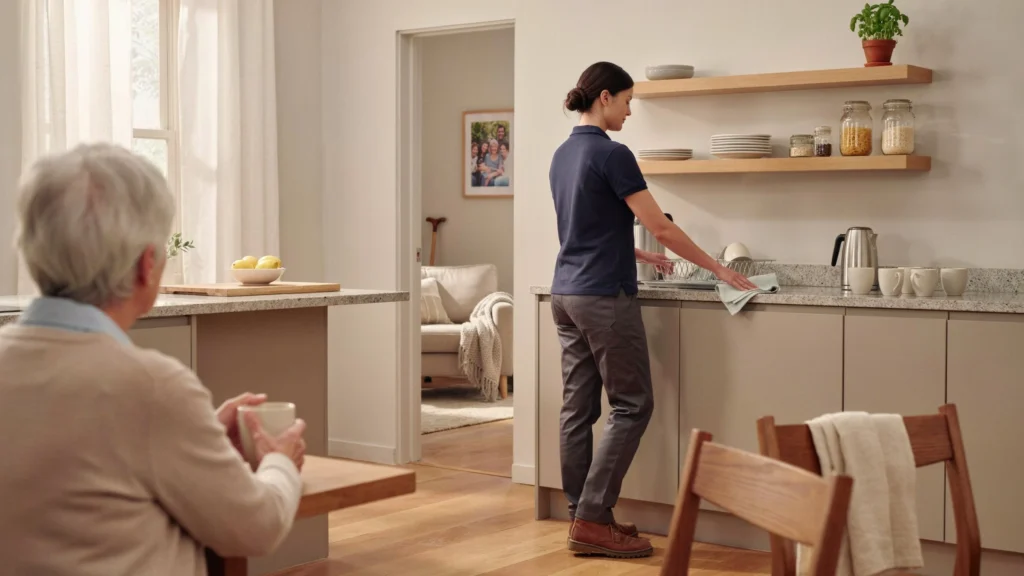
When an older adult needs help at home, daily chores can become harder to manage. Families often wonder whether a caregiver can help keep the home clean. The answer is usually yes, but there are important limits to know. Caregivers often handle light household tasks connected to a client’s care.
Do Caregivers Clean the House? Yes, many caregivers provide light housekeeping as part of their duties. This may include laundry, dishes, tidying, changing bed linens, and cleaning areas used by the person receiving care. Heavy cleaning or whole-house housekeeping is usually a separate service.
Do Caregivers Clean the House?
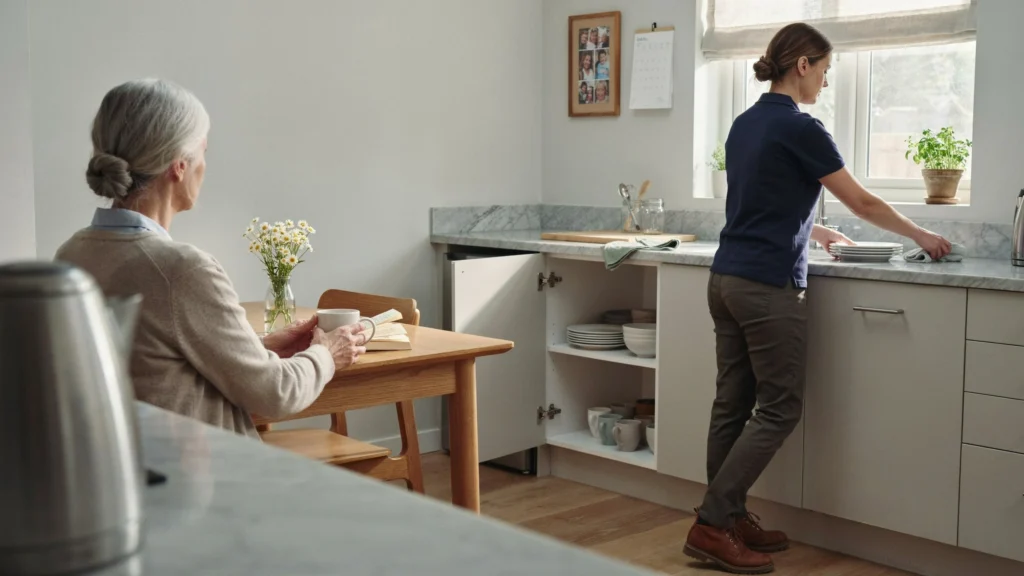
Yes, caregivers can often help with basic cleaning and household tasks. The exact duties depend on the care plan, the caregiver’s role, and the provider’s service agreement. The key difference is light housekeeping versus professional housecleaning.
A caregiver’s main job is to support the person receiving care. Cleaning is usually done when it helps that person’s safety, comfort, health, or daily routine.
For example, a caregiver may wipe the kitchen counter after preparing lunch. They may wash the dishes used during the meal. They may also sweep the area where the client spends most of their time. The National Institute on Aging includes household tasks such as cleaning, laundry, and shopping among activities that may be part of caregiving support.
This does not mean every caregiver provides the same services. Families should ask what is included before care begins.
What Housekeeping Tasks Can Caregivers Usually Do?
Caregiver housekeeping duties usually focus on small tasks that support the client’s daily life.
Common examples include:
- Making or changing the client’s bed
- Folding and putting away laundry
- Washing dishes after meals
- Wiping kitchen counters
- Taking out household trash
- Sweeping frequently used areas
- Light dusting
- Tidying the client’s bedroom
- Cleaning up after meal preparation
- Organizing commonly used personal items
- Picking up small items that could create fall risks
- Keeping the bathroom area tidy after personal care
These tasks are often called light housekeeping for seniors. Consider an older adult who has difficulty bending, standing, or walking for long periods. Their caregiver may wash a few dishes, start a load of laundry, and tidy the bedroom while providing other care.
The goal is not to make the caregiver a full-time cleaner. The goal is to keep the client’s living space comfortable and manageable.
What Cleaning Tasks Are Usually Outside a Caregiver’s Role?
Caregivers are not normally expected to provide deep cleaning unless the service agreement says otherwise.
Tasks that may fall outside regular caregiving include:
- Cleaning the entire house from top to bottom
- Scrubbing walls or ceilings
- Deep carpet cleaning
- Washing exterior windows
- Heavy yard work
- Moving heavy furniture
- Cleaning after construction
- Removing large amounts of clutter
- Handling hazardous waste
- Intensive mold or pest cleanup
- Deep oven or appliance cleaning
These tasks may require a professional cleaning service. There can also be safety limits. A caregiver should not be expected to perform a task that could put the client or caregiver at risk.
For example, moving a heavy sofa to clean underneath it may not be suitable. The same applies to climbing ladders or using strong cleaning chemicals. Families should discuss unusual cleaning needs with the home care provider before assigning them to a caregiver.
Why Is Light Housekeeping Part of Caregiving?
A clean and organized home can make everyday care easier. Small household tasks can also support safety. A clear walkway can reduce trip hazards. Clean dishes can support a healthy meal routine. Fresh bed linens can improve comfort. This is why household help can fit naturally into caregiving.
The National Institute on Aging explains that home-based support can include personal care, household chores, meals, transportation, and other services that help older adults remain at home. Imagine a caregiver helping an older client get ready for breakfast. After the meal, the caregiver washes the dishes and wipes the counter. They then place clean towels in the bathroom.
Those small tasks are connected to the person’s daily routine. They are not the same as cleaning an entire home.
Do Caregivers Clean for the Whole Family?
Usually, cleaning is centered on the person receiving care. This is an important point for families to understand. A caregiver may clean dishes used by the client. They may also tidy the client’s bedroom or wash the client’s clothing. They are not automatically responsible for cleaning bedrooms, bathrooms, or kitchens for every member of the household.
For example, if an older parent lives with two adult children, the caregiver’s household duties may focus on the parent’s needs. The exact arrangement can vary by provider. Some agencies may offer additional homemaking services for an added fee.
Ask these questions before starting care:
- What housekeeping tasks are included?
- Are tasks limited to the client’s areas?
- Can the caregiver prepare meals?
- Is laundry included?
- Is there a limit on cleaning time?
- Are deep-cleaning tasks excluded?
- Are extra household services available?
Clear answers can prevent confusion later.
What Is the Difference Between a Caregiver and a Housekeeper?
A caregiver and a housekeeper have different primary responsibilities. A caregiver supports a person’s daily needs. This may include companionship, personal care, meal preparation, mobility support, errands, and light household tasks.
A housekeeper focuses mainly on maintaining the home. For example, a caregiver may help a senior get dressed, prepare breakfast, take out the trash, and tidy the bedroom.
A housekeeper may clean multiple bathrooms, vacuum the entire house, mop floors, dust furniture, and perform deeper cleaning. There can be some overlap, but the purpose is different. Caregivers focus on people first. Housekeepers focus on the home. This difference is useful when comparing in-home care services. Families should choose a service based on the type of support their loved one actually needs.
Can Caregivers Help With Laundry and Meal Cleanup?
Yes, laundry and meal cleanup are common examples of household support that may fit into caregiving. A caregiver may wash, dry, fold, and put away the client’s clothes. They may also change bed linens or wash towels. Meal cleanup may include washing dishes, wiping counters, storing leftovers, and cleaning small areas used during meal preparation. Meal preparation can also be part of home support. A caregiver might prepare a simple breakfast, make lunch, or help organize food for later.
The National Institute on Aging lists meal preparation, laundry, shopping, and household chores among types of support that may help older adults living at home. However, the caregiver should still follow the agreed care plan. Families should not assume every provider includes every task.
How Much Housekeeping Should You Expect From a Caregiver?
The amount of housekeeping depends on the client’s needs and the care plan. A caregiver’s time should remain focused on care. For example, a two-hour visit may include helping with personal care, preparing lunch, providing companionship, and doing a small amount of laundry.
If most of the visit is spent cleaning, the arrangement may no longer match the purpose of personal caregiving. A useful way to think about it is this:
If the task supports the client’s care, it may fit. If it mainly serves the whole household, it may not. This simple distinction can help families set realistic expectations. It is also worth reviewing the care plan when needs change. An older adult who once needed only companionship may later need help with bathing, meals, laundry, or mobility.
When Should You Consider a Separate Housekeeping Service?
A separate cleaner may be useful when the home needs regular deep cleaning. This can include weekly floor cleaning, detailed bathroom cleaning, extensive dusting, window washing, or other larger jobs. You may also need a separate service when the household has several people and the cleaning needs go beyond the client’s care.
For example, a caregiver can prepare a senior’s lunch and clean the dishes afterward. A professional cleaner can then handle a full-house cleaning every week. Using different services for different needs can make responsibilities clearer. It also allows the caregiver to spend more time supporting the person rather than performing unrelated household work.
How Soteria LifeStyle Can Help
Families often need more than basic cleaning. They need dependable support that helps an older adult remain comfortable and independent at home. Soteria LifeStyle Concierge provides personalized support based on individual needs and daily routines. Care may include companionship, personal care, meal support, household assistance, errands, and other non-medical services, depending on the client’s care plan.
For families looking for Personal Care Services In Chandler, the right support can make everyday routines easier while helping older adults maintain dignity and independence. The goal is not simply to keep a home tidy. It is to support the person who lives there. A caregiver may help organize the client’s room, prepare a simple meal, handle laundry, or clean up after daily activities. These small actions can make a meaningful difference to the client’s comfort.
Before beginning services, families should discuss housekeeping expectations with their care team. This helps everyone understand what the caregiver can and cannot do.
What Should You Ask Before Hiring a Caregiver?
A short conversation before care begins can prevent many misunderstandings.
Ask the provider:
- Do caregivers provide light housekeeping?
- What cleaning tasks are included?
- Is laundry included?
- Can caregivers wash dishes?
- Do caregivers change bed linens?
- Are meal preparation and cleanup included?
- Are cleaning supplies provided?
- Are deep-cleaning tasks excluded?
- Can services change as the client’s needs change?
- Are household tasks written into the care plan?
Written expectations are especially helpful when several family members are involved. The National Institute on Aging also recommends researching providers, checking references, and understanding services, fees, terms, and restrictions before signing an agreement.
Conclusion
So, Do Caregivers Clean the House? In many cases, yes. Caregivers can provide light housekeeping that supports the client’s comfort, safety, and daily routine. This may include laundry, dishes, tidying, changing linens, and cleaning areas used by the client. Deep cleaning and whole-house housekeeping are usually different services.
The best approach is to discuss household duties before care begins. A clear care plan helps families understand what to expect and lets caregivers focus on the person’s needs. For older adults who want to remain at home, the right support can make daily life easier while preserving dignity and independence. If your loved one needs personalized support at home, contact Soteria LifeStyle Concierge today to discuss care options that fit their daily needs.
FAQs
Do caregivers clean bathrooms?
Caregivers may clean or tidy the bathroom when the task is related to the client’s care. Deep bathroom cleaning may require a separate housekeeping service.
Do caregivers do laundry?
Yes, laundry may be included in light housekeeping. A caregiver may wash, dry, fold, and put away the client’s clothing, towels, or bed linens.
Do caregivers wash dishes?
Many caregivers can wash dishes used by the client. This may include cleaning up after meals and wiping the kitchen area used for food preparation.
Do caregivers vacuum and mop?
Light vacuuming or mopping may be included when it supports the client’s living area. Full-house floor cleaning may fall outside normal caregiver duties.
Do caregivers clean the entire house?
Usually, caregivers focus on the client’s needs rather than cleaning the entire household. Full-house cleaning is generally a separate housekeeping task.
What is light housekeeping for seniors?
Light housekeeping for seniors means simple household tasks that support comfort and daily living. Examples include laundry, dishes, tidying, light dusting, and changing linens.
Is housekeeping included in home care?
It can be. Many home care services include some light housekeeping, but the exact duties vary by provider and care plan.
Can a caregiver help with meal preparation?
Yes. Meal preparation can be part of senior home care assistance. A caregiver may prepare simple meals, help with groceries, and clean up afterward.
Does Medicare pay for housekeeping?
Medicare generally does not pay for homemaker services such as shopping and cleaning when they are unrelated to a covered home health care plan.
How can families know what a caregiver will clean?
Ask the provider for a written list of included housekeeping tasks. The care plan should make responsibilities clear before services begin.