
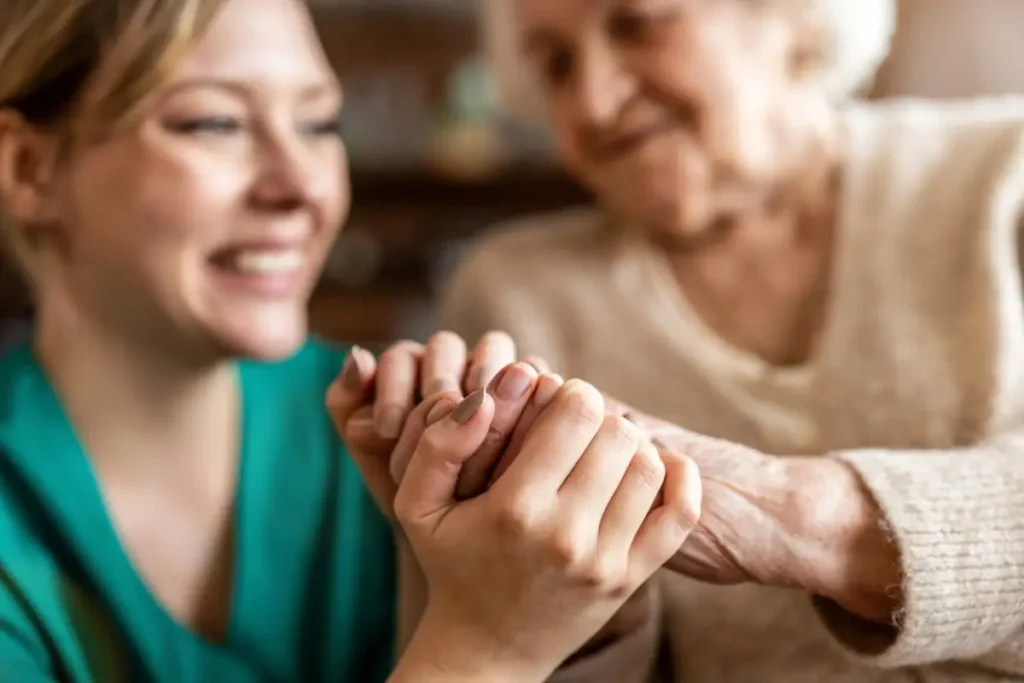
If someone I love is diagnosed with a serious illness, families ofter ask, “What can I expect with palliative care at home.” Patients who need medical care benefit with the comfort and dignity they can have within the walls of their own home as care plans are developed that assist with pain management, symptom relief and quality of life.
Home care partners are also the most efficient resource for assistance on so many different facets and they coordinate their personalized care plans accordingly to help everyone face daily challenges. (Soteria Home Health Agency, Inc.)
Compassion is not just on the people, – Soteria Lifestyle Concierge – It supports families of those with serious or life-limiting illnesses with peace of mind as well.”
What Is Palliative Care at Home?
What can you expect when it comes to palliative care in the home You’ll typically have many questions about what palliative care in the home involves when you find yourself searching for a definition. For the more you seek to define palliative care the better you become informed as to what it is actually the provision of.
More or less palliative care is additional supportive care for people seriously or chronically ill that aims to manage any symptoms while also taking the social, economic or spiritual aspect into account. (Sue Ryder) A contrast palliative care draws from this is: The patient still gets an option for treatment, which may be received at any time during the process of their sickness;
What to Expect from In Home Palliative Care Services

Home palliative care services by professionals are customized to an individual’s health status, desires, and family needs. A care plan is established and will be modified as care circumstances adjust.
Some may consider services to:
- Control pain and also signs
- Assistance with personal hygiene
- daily functioning
- Medication reminders
- administration
- Emotional
- social support
- Caregiver guidance
- education Communication
- healthcare group
As well as with others who are providing care Support with moving around as well as safety support Nutritional coaching as well as hydration recommendations .
Home Care for Palliative Care: How It Supports Families
Home care for palliative care advantages to both the client as well as any family members caregivers The emotional as well as emotional toll can be considerable if a family member or friend has become seriously ill and also is getting treatment under palliative proper care within the person’s home.
Utilizing professional caretakers reduces this burden:
- alleviates tension for family members who have extra time for developing valuable memories
- adaptable treatment on the demand
- higher convenience in the familiar setting.
They coordinate better with health professionals and doctors;
as well as it helps give peace of mind knowing there is support to make certain regular tasks aren’t impossible or overwhelming.
Read More: What Is Companion Care?
Palliative Care and Home Health: What’s the Difference?

Many people confuse palliative care and home health, but they serve different purposes.
| Palliative Care | Home Health |
| Focuses on comfort and quality of life | Focuses on recovery or rehabilitation |
| Available during any stage of serious illness | Often provided after surgery, illness, or hospitalization |
| Can be provided alongside medical treatment | Usually requires physician-directed skilled medical care |
| Includes emotional and family support | Primarily focuses on clinical nursing and therapy services |
In many situations, palliative care and home health services can work together to provide comprehensive support based on the patient’s needs.
Who Can Benefit from Palliative Care at Home?
Individuals with all types of illnesses may be candidates for palliative care at home. Here are a few common conditions it can help:
- Cancer
- Chronic
- Obstructive
- Pulmonary Disease
- COPD
- Cardiovascular
- Heart Diseases
- Kidney
- Renal Disease
- Parkinson’s Disease
- Alzheimer’s Disease
- Dementia Advanced
- Progressive Chronic
- Diseases Neurological
Your family may be given a treatment plan to address all aspects of the individuals well being to achieve the greatest life they can have.
What can I expect during the first house visit?
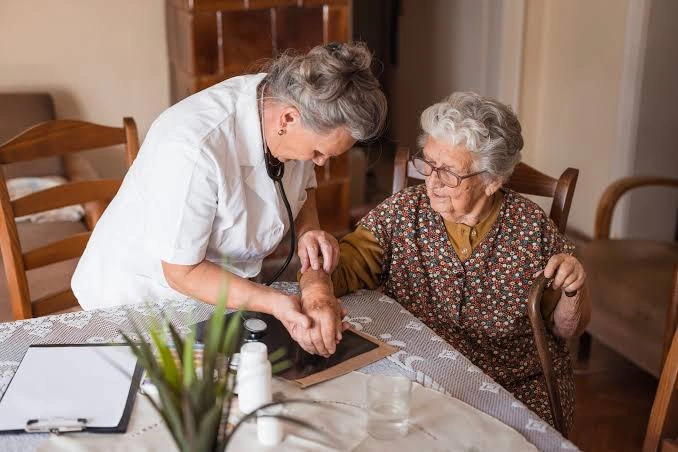
A major query by patients regarding home-based palliative care, is to what might transpire during the first visit.
Following is what patients expect during the first visit by the home based team:
Will assess existing symptoms and challenges in the patient’s day-to-day life Will discuss in detail regarding the past medical history of the patient Will assess the capabilities for mobility and safety of the environment, will make changes where the home requires to create a safer environment and ensure safety Will identify the goals, plans and requirements and family needs Will establish a customized care and plan.
Will consult and work with other healthcare professionals, including the patient’s existing doctor, on a needed basis.
This will enable the entire palliative care team to offer customised treatment for each specific condition.
How Families Can Prepare
Preparing Your Family In home palliative care services begin smoothly with thoughtful preparations. When you get started, consider taking steps like the following:
- Create lists of symptoms and personal wishes for your loved ones to have available.
- Ensure medical records and medicines are organized and easily accessible for the in home team.
- Make certain any areas likely to be used, especially the bedroom and bathroom, are safe and cleared of hazards or clutter.
- Establish a list of emergency contacts.
The more familiar family members are with important aspects of the patient’s personal care and needs, the more seamless the experience will be, ensuring quality palliative care right from day one.
Why Families Choose Soteria Lifestyle Concierge
The Soteria Lifestyle Concierge Family Preference For some families this includes dedicated personal care to offer the comfort, dignity and independence our loved one deserves. With an emphasis on compassion, support and family collaboration, our compassionate home care providers forge loving and trusted relationships with each family, develop innovative care plans to adapt as circumstances change and ensure every family gets the compassionate and responsive care and guidance they truly deserve.
Conclusion
By understanding home palliative care, families can effectively make an informed decision when facing difficult situations. High-quality in-home palliative care services offer comfort and support while focused on ease from symptoms to living a comfortable life that is within the care of the home (nurses.net). Whether you require care in the home for palliative care needs, or are trying to comprehend home health and palliative care relationships, experienced caregivers will always provide added comfort.
In search of tender and tailor-made care at home, Soteria Lifestyle Concierge will remain by your side and that of your loved ones with individualized support focusing on respect, easing discomfort, and a life of life. Stop by our offices at Soteria Lifestyle Concierge or visit our website for additional home care information and to know how we will benefit your family. Contact Soteria Lifestyle Concierge today to learn more about our palliative care at home services or to schedule a free consultation.
FAQs
Who is eligible for palliative care at home?
Palliative care at home is available for individuals living with serious or chronic illnesses such as cancer, heart disease, COPD, kidney disease, Parkinson’s disease, Alzheimer’s disease, dementia, and other life-limiting conditions. It can begin at any stage of the illness and may be provided alongside ongoing medical treatment.
What services are included in palliative care at home?
Palliative care at home may include pain and symptom management, personal care assistance, medication reminders, emotional support, caregiver education, mobility assistance, nutrition guidance, and coordination with healthcare providers to ensure comprehensive, personalized care.
What is the difference between palliative care and home health care?
Palliative care focuses on improving comfort, relieving symptoms, and enhancing quality of life for people with serious illnesses. Home health care primarily provides skilled medical services, such as nursing care and rehabilitation, to help patients recover from surgery, illness, or injury. In many cases, both services can work together.
How can families prepare for palliative care at home?
Families can prepare by organizing medical records and medications, creating a list of symptoms and care preferences, ensuring the home is safe and accessible, and discussing care goals with the healthcare team. Being prepared helps create a smoother transition and allows caregivers to provide more personalized support.