

Non-medical home care helps people manage daily tasks while staying in the comfort of home. It focuses on personal support, companionship, meals, errands, and household help. It does not replace skilled medical care.
What Is Non-Medical Home Care? It is in-home support that helps with everyday needs rather than medical treatment. A caregiver may help an older adult get dressed, prepare lunch, take a walk, or stay safe at home.
What Is Non-Medical Home Care?

Non-medical home care provides practical help with daily living. The goal is to make everyday life safer, easier, and more comfortable without moving a person from their home. A non-medical caregiver can assist with activities such as bathing, dressing, grooming, meal preparation, light housekeeping, errands, and companionship. The exact services depend on the person’s needs and the provider’s scope of care.
This type of care can be useful when someone is still able to live at home but needs extra support. For example, an older adult may manage most tasks alone but struggle with showering, cooking, or shopping.
Non-medical care can also support family caregivers. A family member may work during the day and still want their parents to remain at home. Scheduled caregiver support can fill those gaps without taking away the family’s role. The term “non-medical” is important. These services focus on daily living and personal support. They are not a substitute for nursing, physical therapy, wound care, injections, or other skilled medical services.
What Services Does Non-Medical Home Care Include?
Non medical in-home care can cover many parts of a person’s daily routine. Services are usually based on the person’s abilities, preferences, and care plan.
Personal Care
Personal care may include help with:
- Bathing and showering
- Dressing and changing clothes
- Grooming and hair care
- Toileting
- Oral hygiene
- Walking and basic mobility
- Getting in and out of bed or a chair
The caregiver should encourage the person to do what they can safely manage. The purpose is support, not taking away independence.
Companion Care
Companionship is another important part of home care. Companion Care in Chandler can include talking with a client, playing games, reading together, taking walks, or joining them during hobbies. Social contact can make daily routines feel less lonely. Simple activities, such as sharing a meal or talking about family memories, can make a meaningful difference.
Meal Preparation
Caregivers may prepare simple meals based on the person’s preferences and care plan. They may also help with grocery lists, grocery shopping, and meal cleanup. For example, a caregiver might prepare breakfast, pack lunch, and leave a prepared dinner for later.
Light Housekeeping
Light housekeeping can help keep the home comfortable and organized. Common tasks include laundry, dishes, changing bed linens, dusting, and tidying areas used by the client. This does not usually mean deep cleaning an entire home. The focus is on household tasks that support the person’s daily care.
Transportation and Errands
Depending on the provider and care plan, a caregiver may help with errands and transportation. Examples include grocery shopping, pharmacy trips, appointments, or community activities. Families should always ask what transportation services a provider allows before starting care.
Medication Reminders
Some caregivers can provide medication reminders. This may mean reminding a client that it is time to take prescribed medicine.
Medication reminders are not the same as giving injections, changing medication doses, or performing skilled medication administration. Families should confirm the provider’s rules before relying on this service.
Non-Medical Concierge Services
Some providers also offer non medical concierge services that go beyond basic daily support. These may include organizing errands, helping coordinate appointments, assisting with household routines, or supporting lifestyle activities. The services can vary widely, so families should ask for a clear list before choosing a provider.
Who Can Benefit From Non-Medical Home Care?

Non-medical care may help people who need assistance but do not require continuous skilled medical treatment.
It can be a good option for:
- Older adults who want to age at home
- People who live alone
- Adults who need help with daily activities
- Seniors who need companionship
- People who need short-term help after an illness or procedure
- Families caring for an aging parent
- People who need help with errands or household routines
Consider a senior who can prepare meals and walk around the house but struggles with bathing. A few scheduled visits each week may provide enough support. Another person may be physically independent but rarely leaves home. Companion care can provide social interaction and help with errands.
The right level of care depends on the person’s actual needs. More hours are not always better. A good plan provides enough support while preserving as much independence as possible.
What Is the Difference Between Non-Medical Home Care and Home Health Care?
The biggest difference is the type of support provided. Non-medical home care focuses on daily living and personal support. Home health care provides skilled medical services ordered or delivered by qualified healthcare professionals.
| Non-Medical Home Care | Home Health Care |
| Personal care | Skilled nursing |
| Bathing and dressing help | Wound care |
| Companionship | Physical therapy |
| Meal preparation | Occupational therapy |
| Light housekeeping | Speech therapy |
| Errands and routine support | Certain medical treatments |
| Medication reminders | Clinical monitoring |
For example, helping someone get dressed is generally personal care. Treating a surgical wound is a medical task that requires appropriate clinical care.
Medicare explains that covered home health services can include skilled nursing and therapy when eligibility requirements are met. It also states that Medicare does not cover custodial or personal care when that is the only care a person needs.
This distinction matters when families are deciding what type of help to arrange. Someone can need both types of care at different times.
Benefits of Non-Medical Home Care
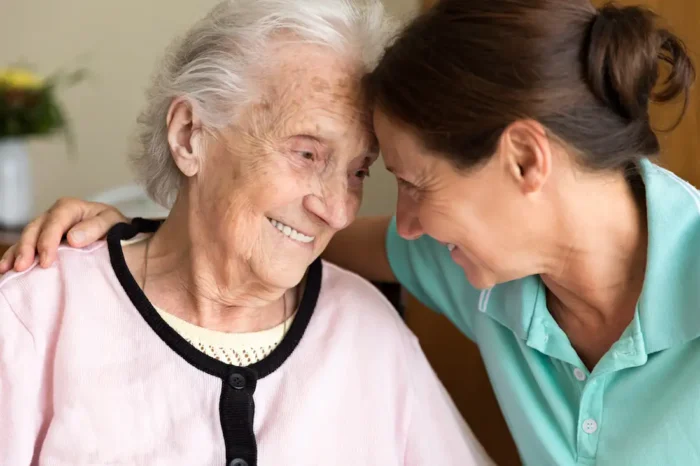
The main benefit is practical support without requiring a move away from home.
Supports Independence
A caregiver can help with difficult tasks while allowing the person to make their own choices. This can help preserve a sense of control.
Makes Daily Life Easier
Tasks that once took an hour may become difficult with age. Having help with meals, bathing, laundry, or errands can reduce that daily burden.
Provides Companionship
Regular caregiver visits can give older adults more opportunities for conversation and social activity.
Helps Family Caregivers
Family members often want to provide care but cannot be available all day. Outside support can reduce some of that pressure.
Adds Safety to Daily Routines
A caregiver can provide assistance during tasks that may be difficult or risky when someone is alone, such as bathing or moving around the home.
Supports Aging in Place
Many people prefer to remain in familiar surroundings. Aging in Place Supports in Chandler can make that choice more realistic by providing personalized non-medical care when daily support becomes necessary.
How Does Non-Medical Home Care Work?

Care usually begins by identifying what the person needs help with.
A provider may discuss the client’s daily routine, mobility, preferences, schedule, household needs, and family concerns. This information helps create a care plan.
The plan may answer questions such as:
- What tasks require help?
- How many hours of care are needed?
- What days and times are preferred?
- Does the person need personal care?
- Would companionship be helpful?
- Are errands or meal preparation needed?
The caregiver then provides the agreed services during scheduled visits. Care needs can change over time. Someone may initially need help twice a week but later require daily support. Regular communication with the family and provider can help keep the plan appropriate.
A useful care plan should also respect the person’s preferences. For example, one client may want help with breakfast but prefer to prepare dinner independently.
How Much Does Non-Medical Home Care Cost?
The cost depends on location, hours, services, caregiver requirements, and whether care is arranged through an agency or another provider. CareScout’s 2026 Cost of Care Survey reports a national median rate of $35 per hour for non-medical caregiver services. Its survey also lists Arizona at a median of $38 per hour. These are reference points, not guaranteed local prices.
For a family planning care, hourly rates alone do not tell the full story. Ask about:
- Minimum visit hours
- Weekend or holiday rates
- Transportation charges
- Care plan fees
- Cancellation policies
- Payment schedules
- Additional service fees
A lower hourly rate may not be the least expensive option if it comes with strict minimum hours or extra charges.
Families should also ask about possible funding sources. Coverage varies by program and situation. In Arizona, for example, qualifying ALTCS members may receive certain long-term care services in their homes or community settings.
How to Choose a Non-Medical Home Care Provider
Choosing a provider involves more than comparing hourly prices. The quality and fit of the care matter just as much. Start by asking what services the agency actually provides. Make sure the service list matches the person’s needs. Ask about caregiver screening, training, supervision, scheduling, and backup coverage. You should also know who to contact if a caregiver cannot attend a scheduled visit.
Families looking for Personal Care Services in Chandler should also check whether the provider serves their specific neighborhood and understands the needs of local clients.
Other useful questions include:
- Is there a written care plan?
- How are caregivers matched with clients?
- What happens if the regular caregiver is unavailable?
- Are caregivers insured and bonded?
- How are concerns or complaints handled?
- Are rates and fees explained in writing?
- Can services change as care needs change?
A provider such as Soteria Lifestyle Concierge can also be evaluated by looking at its approach to personalized support, communication, and everyday quality of life.
The best provider should make the family feel informed, respected, and comfortable with the care plan.
When Is Non-Medical Home Care Not Enough?
Non-medical care is not designed to replace skilled healthcare.A person may need additional medical support if they require services such as wound treatment, injections, complex medication management, physical therapy, or skilled nursing.
A sudden change in health can also require medical attention. New confusion, severe weakness, trouble breathing, chest pain, serious falls, or other urgent symptoms should not be treated as routine caregiver needs.
In these situations, speak with the person’s healthcare provider about the appropriate level of care. Some people need both services. For example, a nurse may provide skilled medical care while a non-medical caregiver helps with meals, bathing, companionship, and daily routines. The goal is to match each task with the right type of professional.
Conclusion
Non-medical home care provides everyday support for people who want to remain at home. It can include personal care, companionship, meals, light housekeeping, errands, transportation, and other routine assistance. The right care plan should support independence instead of replacing it. It should also clearly separate everyday caregiver duties from skilled medical services.
For families, the most important step is understanding what help is needed now and what support may be needed later. A clear care plan, qualified caregivers, transparent pricing, and good communication can make home care easier for everyone. Contact us today to learn more about personalized non-medical home care and find the right support for your loved one.
FAQs
What does a non-medical caregiver do?
A non-medical caregiver helps with everyday needs such as bathing, dressing, meals, companionship, light housekeeping, errands, and mobility support.
Is non-medical home care the same as home health care?
No. Non-medical care focuses on daily living and personal support. Home health care involves skilled medical services provided by qualified healthcare professionals.
Does non-medical home care include bathing?
Yes. Personal care may include bathing, grooming, dressing, toileting, and other daily activities, depending on the provider’s services and the client’s care plan.
Does Medicare pay for non-medical home care?
Medicare generally does not pay for custodial or personal care when that is the only care a person needs. Coverage can apply to certain home health services when eligibility requirements are met.
How much does non-medical home care cost?
Prices vary by location, hours, and services. CareScout reported a 2025 national median of $35 per hour for non-medical caregiver services.
Can non-medical home care help someone age in place?
Yes. It can provide support with daily tasks while allowing a person to remain in familiar surroundings. The care should be adjusted as needs change.
What are some non-medical support examples?
Examples include help with bathing, dressing, meals, laundry, errands, companionship, mobility, light housekeeping, and medication reminders.